
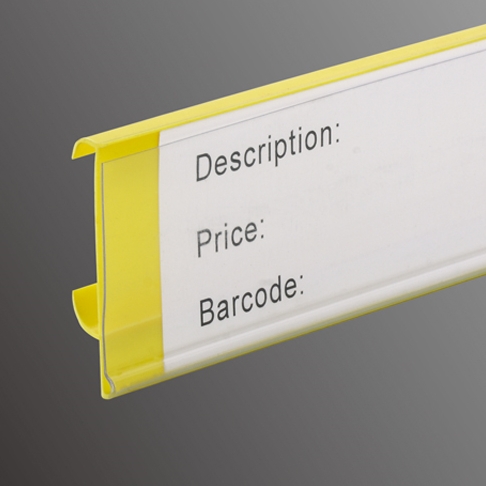
The fundamental function of price tags is to accurately tell customers the price of each item. Their primary function is to provide clear price information, helping people make quick and confident purchasing decisions. In retail, price tags serve far more than just displaying numbers—they build trust when prices match customer expectations. Stores rely on price tags to keep shelves neat and organized, preventing product confusion. Clear and easily identifiable price tags make customers feel secure and satisfied.
Recent research shows that electronic price tags achieve the same purpose by reducing errors. They help customers clearly see prices, improving the overall shopping experience.
Key Takeaways
- Price tags tell customers the price of goods. This helps customers make choices quickly and feels secure. Electronic price tags reduce errors and maintain price stability. This helps customers trust the store. Clear price tags make shopping more convenient. They help customers easily find products. Good price tags can stimulate customers’ desire to buy. They display promotional and special offers. Price tags help stores track merchandise. They ensure price accuracy. This makes customers satisfied.All of this demonstrates the commercial value of price tags.
Purpose of a Price Tag in Retail
Informing Customers
Price tags help customers understand prices. They display the price of each item before checkout. This makes shopping easier and faster for everyone. Customers use price tags to compare products and choose items that fit their budget. Good price tag design helps customers have more confidence in their choices.
Retail experts point out that price tags play multiple roles in stores:
| Function | Description |
|---|---|
| Conveying Price Information | Price tags display selling prices, helping to boost sales. |
| Influencing Purchase Decisions | Well-designed price tags can change customer buying habits. |
| Managing Inventory | Price tags with SKUs and barcodes help stores track merchandise. |
| Shaping Customer Perception | Aesthetically pleasing price tags can enhance customers’ impression of a brand. |
| Implementing Pricing Strategies | Price tags showcase discounts and special offers to customers. |
Electronic price tags make prices clearer. They display the latest prices, reducing errors. When online and offline prices are consistent, customers trust the store more. This trust enhances the shopping experience and encourages repeat business.
Supporting Sales and Promotions
Stores use price tags to display promotions and offers. Price tags do much more than just display numbers—they attract customer attention and help stores boost sales. Bright colors or bold, large-font price tags make offers immediately noticeable. Consumers notice these offers and feel excited about saving money.
Price tags help stores implement different pricing strategies. They can display short-term discounts or buy-more offers. These offers are often highlighted using brightly colored price tags. Research shows that price tags and promotions change how people shop. When consumers see offers, especially for products they like, they buy more.
Stores use price tags to track inventory and adjust prices as needed. Electronic price tags enable stores to quickly update prices, keeping information up-to-date. This helps stores remain competitive and meet customer needs.
| Pricing Strategy | Description |
|---|---|
| Demand-Driven Pricing | Adjust prices based on market conditions. |
| Competition-Responsive Pricing | Adjust prices accordingly when other stores adjust theirs. |
| Inventory-Driven Pricing | Set prices based on remaining inventory. |
| Limited-Time Promotions | Launch special offers for a short period. |
| Visual Distinction | Color-coded labels help customers quickly find discounted items. |
- Electronic price tags ensure price accuracy and reduce errors.
- Accurate pricing helps customers trust the store and enjoy shopping.
- Reliable pricing makes customers more willing to return and more likely to like the store.
Enhancing Shopping Experience
Price tags make shopping easy and fun. They guide customers like signs in a store. When price tags are clear, legible, and correctly positioned, customers feel more at ease and confident.
Research shows that high prices can cause dissatisfaction, thus reducing purchase intent. Attractive packaging can subtly conceal prices and increase customer purchase intent. Eye-catching promotional slogans and enticing discount information prompt people to weigh the pros and cons, leading to more purchases.
Electronic price tags offer more functionality, such as displaying product details, remaining quantity, and user reviews. Consumers can use this information to make informed choices. Electronic price tags ensure consistent pricing across all channels, building trust and increasing customer satisfaction.
- Electronic price tags ensure consistent pricing both online and offline, thus earning consumer trust.
- Unified pricing makes shopping more convenient.
- Electronic price tags provide more product information, making it easier for consumers to compare different brands.
- Ensuring accurate pricing reduces errors and enhances consumer trust.
- Displaying inventory levels and availability information helps consumers make informed choices.
- Electronic price tags display detailed information such as product origin and remaining quantity, helping consumers make better choices.
Clear price tags give consumers peace of mind. They understand the price of goods and can find the best deal. Stores with clear and concise price tags enhance the shopping experience and cultivate loyal customers.
Key Information on a Price Tag
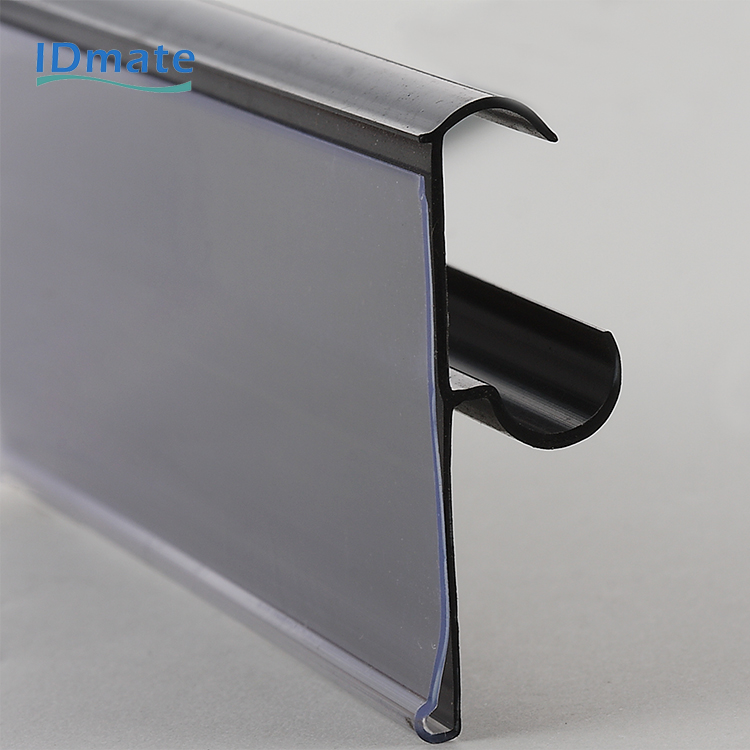
Price tags do much more than just display a number. They help consumers make informed choices. Price tags provide important product information, making it easy for consumers to compare different products. They help people understand prices, giving consumers more confidence in their purchases.
Price and Product Details
Price is the first thing consumers look at. A clear price tag shows the price of a product, helping consumers determine if it’s within their budget. Price tags also display product details, such as size or color. These details help consumers understand the product they’re buying. More product information gives consumers more confidence in their choices. The more consumers know, the more likely they are to buy.
Here’s how price and product details influence shopping behavior:
| Evidence Type | Description |
|---|---|
| Impact of Pricing | Lower prices lead to higher sales. Higher prices lead to lower sales. |
| Role of Product Information | More details help consumers learn more, thus increasing their willingness to buy. |
| Consumer Satisfaction | Good product information makes consumers feel satisfied and influences their purchasing decisions. |
Barcodes and Tracking
Barcodes are helpful to both customers and store clerks. They contain product and price information. Store clerks can quickly obtain detailed information by scanning barcodes, thus speeding up checkout. Stores use barcodes to track merchandise.
- Barcode scanning makes inventory management easier.
- It helps store clerks reduce errors.
- Stores can instantly view inventory and costs.
Additional Info (Discounts, Dates)
Some price tags display discounts or expiration dates. This additional information changes the way people shop. Customers look for deals on price tags. Discount information attracts their attention. Expiration dates help customers determine whether a product is worth buying, especially food.
| Evidence Type | Statistic | Description |
|---|---|---|
| Discounted Items | 60% | Six out of ten people buy discounted food items close to their expiration date. |
| Eating Past Expiration | 46% | Nearly half of people eat expired food. |
| Budgeting for Groceries | 46.7% | Nearly half of consumers pay attention to product prices and promotional information to control their budget. |
Clear price tags help consumers shop with peace of mind. They display prices, product details, barcodes, and discount information. Stores with clear and attractive price tags build consumer trust and make shopping more convenient.
Displaying Price Tags for Value
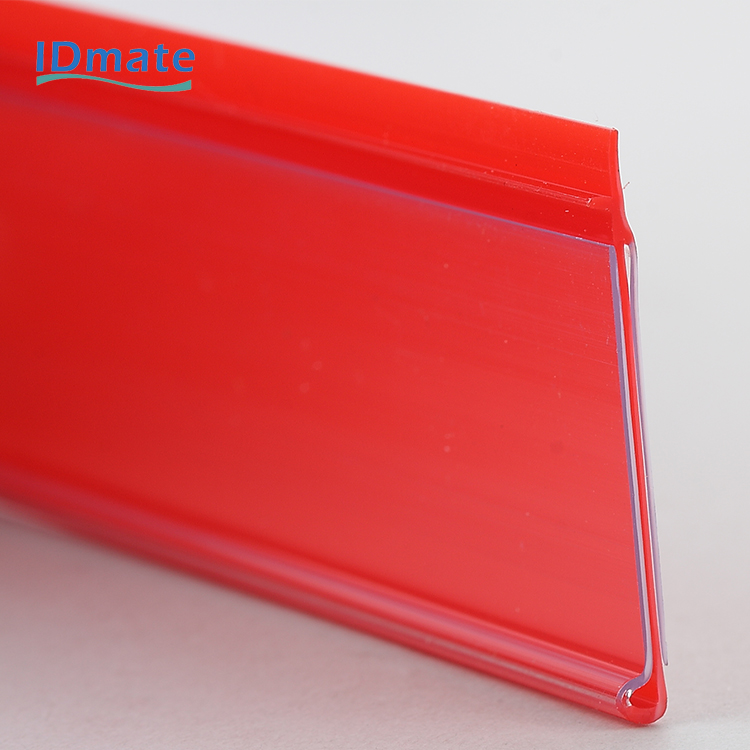
Data Strips and Label Holders
Stores use data strips and label holders to keep price tags neat and tidy. These tools help keep shelves organized and price tags clearly visible. Consumers can quickly find prices, improving the shopping experience. Data strips allow staff to quickly change price tags, ensuring prices are up-to-date and fair. Label holders with paper inserts make changing price tags simple. Stores can easily change prices as needed. Clean and tidy price tags help increase customer trust in the store. When price tags are attractive, consumers perceive products as more valuable.
Sign Holders and Display Hooks
Label holders and display hooks help clearly display price tags. They place price tags at eye level for easy customer viewing. Display hooks allow staff to quickly change price tags. Customers can always see the latest prices. Some stores use aisle signs to indicate special offers. These signs help customers find special deals. The table below shows how these tools help customers:
| Description | Impact on Visibility |
|---|---|
| Sign holders clearly display price tags at the checkout counter. | Customers can easily see prices, reducing confusion. |
| Display hooks make price tag changes faster. | Prices are always up-to-date and easy for everyone to see. |
| Aisle signs highlight special offers. | Customers can find deals and prices faster. |
When stores use these tools, customers have more confidence in prices and value.
Visibility and Placement
The placement of price tags in a store affects customer perception. Large, eye-catching price tags attract attention and stimulate purchasing desire. If price tags are difficult to read or cluttered, customers may doubt the price. Stores that place price tags in prominent locations help customers feel satisfied with their choices.
- Large, eye-catching font price tags make prices stand out, thereby increasing sales.
- Cluttered or hidden price tags reduce customer confidence in pricing.
- Clear and legible price tags increase sales conversion rates and perceived value.
Stores that cleverly display merchandise and use clear price tags build customer trust. Customers notice the store’s attention to detail and feel more confident about their purchase.
Price Tag vs. Other Retail Labels
Purpose Differences
Stores use various tags. Each tag has a specific purpose. The special feature of a price tag is that it indicates the price. It helps customers understand the price of a product and also helps stores promote sales. Other tags, such as brand tags or care labels, provide different information. These tags typically remain on the product permanently. Please see the table below for the differences between the various tags:
| Tag Type | Function | Permanence | Placement |
|---|---|---|---|
| Price Tag | Conveys price information and promotes sales | Temporary | External (attached) |
| Brand Tag | Displays brand identity | Permanent/Semi-permanent | Sewn inside |
| Care Label | Provides washing and care instructions | Permanent | Sewn inside |
| Size Label | Indicates garment size | Permanent | Sewn inside |
Price tags are hung on the outside of the product or placed on the shelf. Shoppers can quickly see these tags. Brand tags, care labels, and size tags are usually located inside clothing or packaging boxes. These tags stay with the product for its entire lifespan. Price tags, on the other hand, are removed after purchase.
Examples of Other Labels
Besides price tags, stores use other labels to help customers shop. Here are some other labels and their functions:
- Brand Labels display the company name or logo. This helps shoppers remember the brand.
- Washing Labels explain how to wash or clean the product. People know how to care for their clothes.
- Size Labels indicate the product’s size. This helps find the right size.
- Promotion Labels indicate offers or discounts. They help shoppers understand promotions.
- Information Labels list ingredients, usage instructions, or warnings. These labels help people make informed choices.
- Compliance Labels show whether a product complies with safety or legal regulations.
Stores use these labels to share important information and track products. Labels help keep stores tidy and help shoppers get the right information. When all the labels work together, shopping becomes easy and smooth.
Designing Effective Price Tags
Clarity and Readability
Stores understand that clear price labels help customers shop. People want to find prices quickly, not squint or struggle to find them. Stores use large fonts and bright colors to make prices immediately visible. Maintaining consistent label size and shape makes shelves look neater. Good contrast helps highlight prices. Durable plastic or coated paper protects labels. Employees regularly check labels and replace old ones. Here’s a simple checklist to make price tags easy to read:
- Ensure all labels are the same size and style.
- Use large, clear fonts.
- Choose easily recognizable colors.
- Use durable, tear-resistant materials.
- Ensure label information matches the store’s system.
- Replace old or damaged labels promptly.
Too much information on labels confuses customers. Hidden prices also make shopping difficult. Stores keep displays simple, ensuring every price is easy to find.
Durability and Compliance
Price tags need to be durable and compliant with regulations. Stores use durable materials to ensure labels are clearly visible. Labels must be durable and easily recognizable even after multiple uses. In the US, stores must clearly display prices, and the price at checkout must match the displayed price. In Europe and Australia, laws require prices to include all taxes and fees, prohibiting deceptive practices. Stores will display all necessary information on price tags, including product name, price, and any additional charges. Adhering to the rules helps stores avoid problems and ensures customer satisfaction.
- Price tags must contain accurate information.
- Stores will update tags to display new prices.
- The law protects consumers from incorrect or hidden pricing.
Branding and Customer Trust
High-quality price tags not only display prices but also help consumers trust the store. Clear prices reassure consumers, and prices must meet their expectations. Stores use price tags to showcase their style, using colors and logos that align with their brand image. Friendly staff and clear, legible labels make customers feel welcome. Electronic price tags provide additional information, such as displaying reviews and quickly updated prices, helping consumers make informed choices. The table below illustrates how high-quality price tags can help boost trust and brand loyalty:
| Key Factor | Impact on Trust and Brand Image |
|---|---|
| Clear Price Information | Makes customers feel secure and trust the store |
| Consistent Branding | Makes the brand strong and memorable |
| Customer Service | Keeps customers satisfied and loyal |
| Communication | Helps customers understand product value and offers |
Stores with smart price tags have satisfied customers. Their brands are also stronger as a result. When customers feel transparent and valued, they will return.
Price tags do much more than just display prices. They also help customers feel confident about what they are buying. High-quality price tags help people make informed choices. Stores with clear price tags have higher sales and more satisfied customers. Electronic price tags allow employees to quickly update prices, ensuring information accuracy.
| Benefit | Description |
|---|---|
| Higher Efficiency | Employees can make fewer mistakes and save time. |
| More Satisfied Customers | Customers trust prices and patronize the store more often. |
| Eco-Friendly | Electronic tags use less paper and are better for the planet. |
Shopping becomes easier and more convenient when people understand how price tags work.
FAQ
What information should price tags include?
Price tags should display the product price, product name, or code, and sometimes a barcode. Stores may add discounts or expiration dates. Clear price tags help customers understand prices and make quick choices.
Why do stores use data bars and label holders?
Stores use data bars and label holders to keep price tags neat and easy to read. These tools help staff quickly update prices and make it easy for customers to find the items they need.
How do electronic price tags help stores?
Electronic price tags allow stores to update prices quickly. They reduce errors and ensure consistent pricing across online and offline channels. Customers trust stores more when prices are consistent across all channels.
Do price tags affect customer purchasing behavior?
Absolutely! Eye-catching or prominent price tags attract customers’ attention. Customers notice offers and are more likely to buy more items. Clear price tags help customers have more confidence in their choices.
What is the difference between price tags and brand labels?
Price tags indicate the price of a product and help sell it. Brand tags display the company name or logo. Price tags are removed after purchase, while brand tags remain on the product.


