
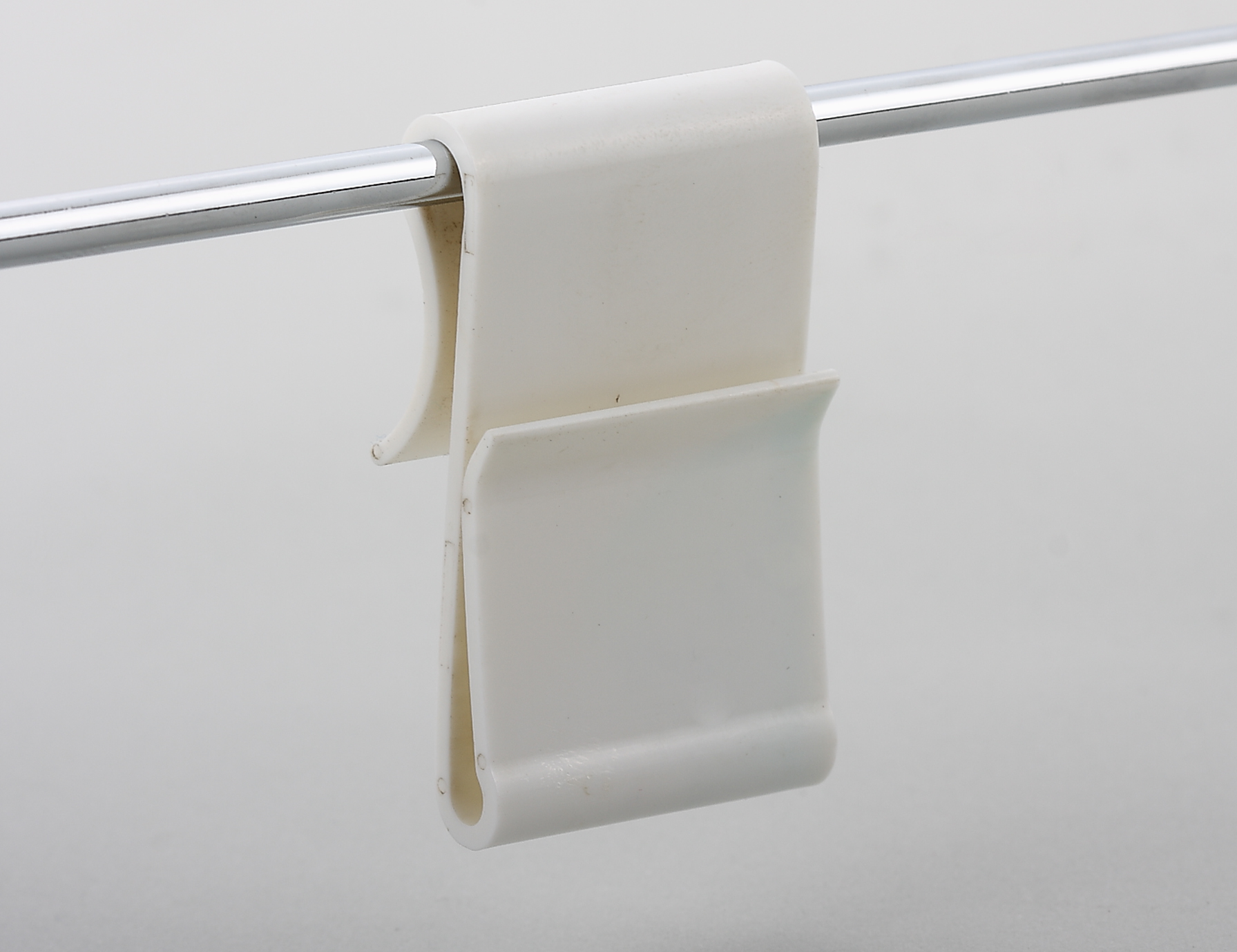
Retail store displays influence how customers feel when they enter the store. Customers appreciate aesthetically pleasing and eye-catching displays. Displays should facilitate shopping and make it more convenient. Using tools like plastic hooks can enhance the effectiveness of displays. This helps improve the customer shopping experience. Stores with good displays typically see:
- Increased sales, with customers purchasing items they didn’t initially plan to buy
- Customers spending more time browsing products
- Customers having a stronger impression of the brand
High-quality accessories can help stores easily set up and change displays for better results.
Key Takeaways
- Ensure your display objectives are clear. This helps attract attention and encourages quick purchases. Place displays in high-traffic areas so customers can easily see them. Use display diagrams to keep products neat and organized for easy customer access. Choose seasonal themes and group products together. This makes shopping more enjoyable. Change displays frequently to keep the store fresh. This helps increase sales.
Set Up Your Retail Display Goals
Define Display Objectives
Every store should have clear objectives before creating displays. Using tools like plastic hooks or sign holders allows displays to be more than just product presentations. Displays can attract attention and make shopping fun. They can also encourage impulse purchases. Merchandising teams focus on the following main objectives:
- Attracting customer attention
- Encouraging impulse purchases
- Showcasing brand style through color and design
- Highlighting new or special offer products
- Making shopping easy and enjoyable
Good displays can change how people feel in a store. For example, a brightly colored display near the entrance can attract customers into the store. Experts know that the right displays can help people buy more and remember the brand. People often make quick decisions based on what they see first.
| Objective | Influence on Display Design |
|---|---|
| Attracting attention | Bright colors and eye-catching graphics can attract customer attention. |
| Conveying brand messages | The design reflects the brand’s philosophy. |
| Highlighting promotions | Special layouts can showcase new or promotional products. |
| Enhancing customer experience | Engaging visuals and convenient shopping routes improve the shopping experience. |
| Driving sales | Neat displays and clear signage help customers make purchases. |
Align With Brand and Sales Targets
Stores need to align their displays with their brand and sales goals. The merchandising team plans displays based on the store’s strategy. They consider how people shop and how impulse purchases can boost sales. Displays should always align with the brand image, using the right colors and materials, such as plastic hooks or sign holders.
Good display planning makes products easy to see and find. This helps customers find what they want and browse more items. When displays are consistent with the brand image, customers trust the store more. Stores that frequently change their displays see better results, especially with the help of companies like IDmate. These solutions make updating displays easy and keep shopping fun.
Impulse purchases happen when displays surprise customers. The team uses consumer psychology to place products where people will easily notice and want to buy them quickly. This helps stores meet sales goals and showcase their brand, making each display work harder.
Plan Retail Store Display Layout
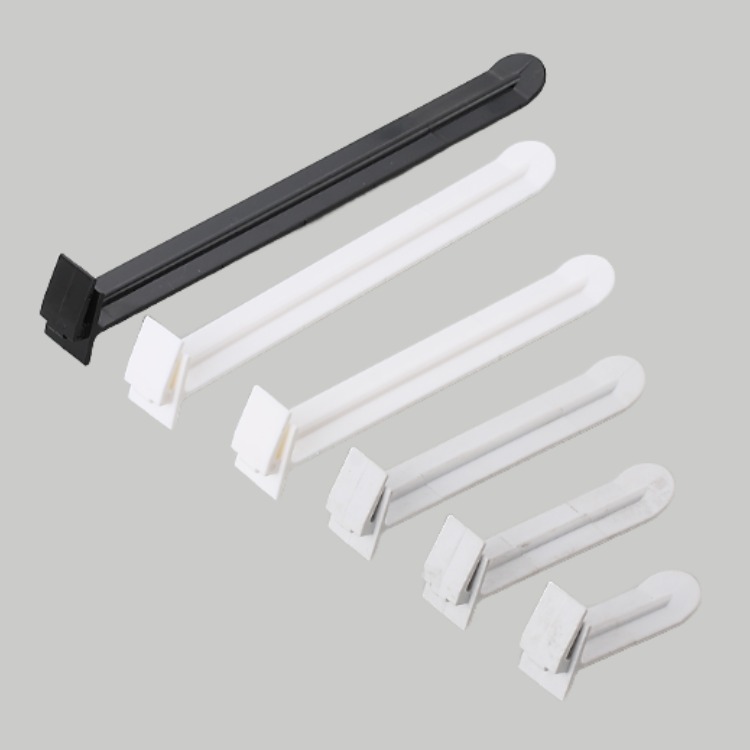
Smart display layouts help customers easily find products. They also make shopping more enjoyable. The merchandising team uses tools like plastic hooks, sign holders, and data strips. These tools make displays more eye-catching. The team places products in special locations to guide customers. This helps people notice more items and buy more. Good placement can turn shelves into impulse purchase zones. This makes shopping more exciting and helps stores increase sales.
Identify High-Traffic Zones
Stores need to understand where people move most often. The merchandising team uses different methods to find high-traffic areas. They might use infrared sensors, Wi-Fi tracking, or cameras. These tools show how long customers stay and which areas they visit most. The table below lists some methods for finding high-traffic areas:
| Method | Description |
|---|---|
| Infrared Sensors | Count the number of people entering the store, helping to determine baseline data. |
| Wi-Fi and Bluetooth Tracking | Track mobile devices to understand visitor dwell time and areas visited. |
| Video Analytics | Show pedestrian traffic patterns and customer interactions, helping to plan store layout. |
| Mobile App Engagement | Connect digital offers with in-store visits, linking online and offline behavior. |
| POS System Integration | Match visitor numbers with sales data to help measure marketing ROI. |
The team uses this data to decide where to place displays. They create impulse purchase zones in high-traffic areas. Placing products in these locations attracts attention and encourages customers to browse.
Map Customer Flow
Mapping customer flow helps stores improve the shopping experience. Merchandising teams study customer shopping patterns and use heat maps. Heat maps show customer walking paths. The team looks for areas where customers linger or spend more time. This helps them determine the placement of shelves and products. The table below explains the importance of mapping customer flow:
| Aspect | Insight |
|---|---|
| Shopping Behavior Analysis | Shows movement patterns and emotional responses, helping to design better layouts. |
| Real-Time Insights | Guides content strategy and service delivery based on customer behavior. |
| Retail Heatmap | Reveals product interaction and paths, helping to optimize placement. |
| Sales Performance | Increases sales by placing products in easily noticeable locations. |
| Customer Journey Mapping | Uses data to create effective customer journey maps. |
| Unified Commerce Stack | Integrates all customer interactions for accurate flow mapping. |
Stores use this information to place merchandise in the most effective locations. Good product placement helps customers find what they want and also helps them discover new products.
Use Planograms for Organization
Planograms help stores organize merchandise displays. Merchandising teams use planograms to indicate the placement of each product. This keeps displays neat and makes shopping easier. Planograms help the team place popular items in easily accessible locations. Studies show that planograms can increase sales and customer engagement. For example, brands like Starbucks Medium Roast Coffee and Gevalia saw sales increases of 24 to 29 percentage points after changing their placement. Chocolate products saw an average sales increase of 27 percentage points.
Stores that use planograms and smart product placement can improve the shopping experience. Merchandise displays look neat and organized, and customers can find products more quickly. The merchandising team frequently changes the layout to keep the store feeling fresh and encourage impulse purchases.
Tip: Adding elements like lighting, music, or scents near the displays can make them more attractive and memorable.
Select Products and Display Themes
Choosing the right products for display is crucial. The merchandising team uses tools such as plastic hooks, sign holders, and data strips. These tools help group products and make the displays visually appealing. Accessories keep displays neat, organized, and easy to understand. When the team uses the right accessories, they can quickly change displays. This keeps the shopping experience fresh and engaging.
Choose Featured Retail Products
The team reviews sales data and customer preferences before selecting products. They want to showcase products that customers like or frequently buy. They do this by understanding who shops in the store and what those customers need. They use data to select which products to display and how many of each. They try different display methods to see which is most appealing. They review sales data and listen to customer feedback, then adjust the displays. This helps the team create displays that meet customer needs and keeps the shopping experience fresh and interesting.
Group by Theme or Season
Grouping products by theme or season makes displays more engaging and helps customers find what they need faster. The team uses themes like “Back to School” or “Holiday Gifts” to create atmosphere. Seasonal displays can help stores increase sales and create a vibrant atmosphere. The table below shows how bundling works:
| Bundle Type | Strategy | Target Outcome |
|---|---|---|
| Complementary Products | Pairing products that are frequently purchased together | Increased average order value |
| Gift Sets | Creating themed collections | Simplify the gift-buying process |
| Value Packs | Offering discounts for purchasing more items | Increase sales of individual items |
The team sometimes adds countdown timers or special offers to displays. This can help stores increase sales by up to 23%. Customers like themed displays because they make the store feel more special and encourage them to browse.
Bundle and Cross-Merchandise
Bundling and cross-selling can improve the effectiveness of product displays. Teams can group related products together, such as sandwiches, drinks, and snacks. This makes shopping more convenient. This method helps products stand out and prevents customers from feeling overwhelmed by too many choices. It also helps stores increase sales per transaction. Studies show that bundling makes customers feel they are getting good value for their money. For example, clothing stores can bundle slow-moving items with best-selling items and sell them at a lower price. These displays help customers discover new options and enjoy a more pleasant shopping experience.
Tip: Using high-quality display accessories, such as plastic hooks and sign holders, keeps bundled products neat, organized, and easy to replace. This helps teams quickly update displays and keep the shopping experience engaging.
Gather Display Materials and Tools
Setting up retail displays involves more than just shelves. The merchandising team needs to prepare the right tools and materials, suchs as plastic hooks, sign holders, and price tag strips. These accessories help keep the display neat and organized, making it easy for customers to browse. High-quality accessories contribute to a smoother shopping experience for customers. Sturdy props and fixtures help extend the lifespan of the display and maintain its aesthetic appeal. Customers will notice the stability and fine craftsmanship of the display.
Fixtures, Sign Holders, and Props
The merchandising team uses a checklist of display accessories. They select items that match the store’s brand and style. Some important tools and materials include:
- Plastic hooks for hanging merchandise
- Sign holders for clear information
- Data strips for price tags
- Easy-to-use display hooks
- Clips for holding small items
- POP sign holders for promotional activities
- Cardboard display components for custom shapes
- Themed props
The team uses brackets and adhesives to maintain the stability of the display. They want the displays to stay in place, even if customers touch them. The merchandising team sometimes adds screens or QR codes. These features make shopping more engaging and interactive.
Lighting and Signage Essentials
Lighting affects the appearance and atmosphere of displays. Merchandising teams use spotlights, LED strips, and accent lighting. Good lighting helps products stand out and makes colors more vibrant. Signage is also crucial. Clear signage helps customers find products and understand promotions. The team uses branded signage to maintain consistency in the store’s image.
Choosing the right materials is essential. The table below shows the applications of different materials in retail displays:
| Material Type | Durability | Best Use Case | Aesthetics |
|---|---|---|---|
| Corrugated Cardboard | Low | Temporary displays | High customization |
| Plastic | Medium | Semi-permanent displays | Moderate |
| Metal | High | Permanent displays | High |
| Wood | High | Semi-permanent and permanent | High |
The merchandising team uses tools such as laser levels, power drills, and measuring tapes. These tools help ensure that the display racks are arranged neatly and attractively. Using high-quality materials helps extend the lifespan of the display racks and keeps them looking new. This results in a better shopping experience for customers and increases their trust in the store.
Tip: The merchandising team should always check that display accessories are consistent with the brand and can withstand daily use. This helps maintain the cleanliness and attractiveness of the display racks and facilitates updates by the store.
Arrange, Test, and Refresh Displays
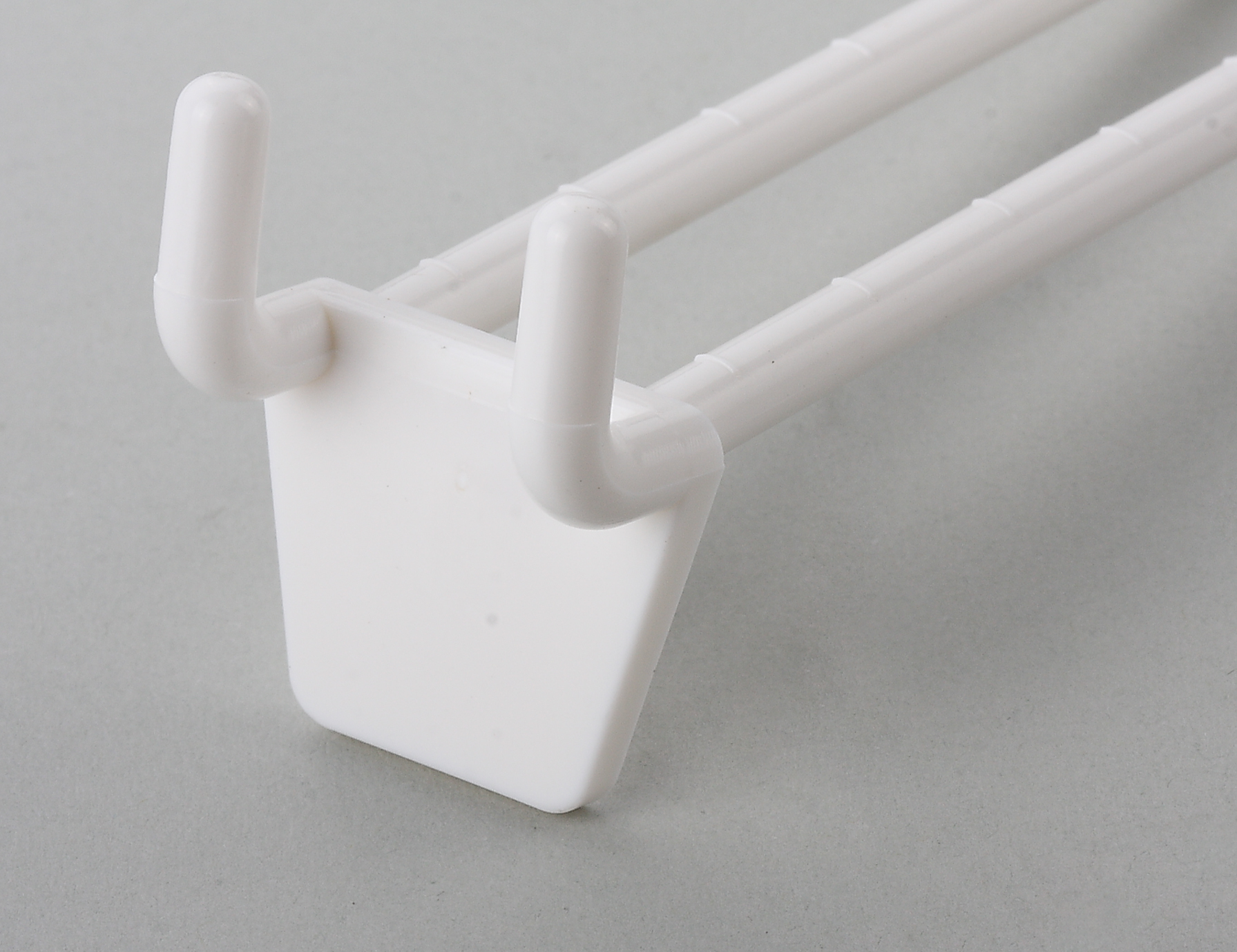
Setting up retail display racks is more than just placing products on shelves. The merchandising team uses tools such as plastic hooks, sign holders, and data strips to make product displays more eye-catching. These accessories make shopping more convenient and allow staff to quickly change displays. With the right tools, the team can quickly move products, keeping the store looking fresh and dynamic.
Apply Visual Merchandising Principles
Visual merchandising utilizes people’s thought processes to help stores increase sales. The team uses techniques such as color blocking, height variation, and visual focus. Color blocking uses striking bright colors. Height variation makes the display look more dynamic and guides the eye to move between products. Visual focus highlights key products, attracting customer attention. The team typically arranges products in groups of three. This “rule of three” makes the display aesthetically pleasing and easy to remember.
| Technique | Description | Source |
|---|---|---|
| Color Blocking | Uses colors that stand out to get attention and help people see products. | |
| Height Variation | Changes how tall products are to make displays fun and guide the eye. | |
| Focal Points | Puts the focus on special products, making shopping better. |
Tip: Arranging products in groups of three helps customers make choices faster. Over 80% of customers say that product display influences their purchasing decisions.
The team also utilizes people’s thought patterns to make product displays look smooth and natural. They ensure consistency in displays at every entrance. This helps enhance the customer shopping experience and strengthens brand influence.
Factors such as lighting and scent are crucial for visual merchandising. Good lighting makes colors vibrant and products shine. Pleasant scents create a warm and comfortable shopping atmosphere. These details cleverly utilize people’s thought patterns, making shopping enjoyable and extending customer dwell time.
Add Clear Signage and Pricing
Clear signage and pricing are essential for product display. Customers want to see prices and details without difficulty. The product display team uses sign holders and information strips to keep signage neat and easy to read. When signage aligns with the brand image, customers trust the store more.
- 56% of customers say that unclear pricing frustrates them and may lead them to abandon their purchase.
- Clear signage can increase customer purchase intent by up to 18%.
- 69% of shoppers remember seeing advertisements in stores and look for the advertised products.
- 61% of these shoppers ultimately purchase those products.
Good signage utilizes people’s thought patterns to help shoppers make choices easily. The team places signage at eye level and uses large, prominent fonts. They display promotional information and new products to attract customer attention. When shoppers see clear signage, they feel reassured and enjoy the shopping experience.
Test, Adjust, and Maintain Displays
Testing and changing displays keeps stores interesting and fresh. Merchandising teams use principles of consumer psychology to observe customer reactions to new layouts. They move products, change colors, and add props to find the best solutions. The team regularly checks displays and promptly fixes any disarray.
| Benefit | Measurement |
|---|---|
| Average sales lift | 24% during campaigns |
| Customer Impulse Purchases | 62% because of eye-catching displays |
| Increased Purchase Likelihood | 82% more likely after a demo |
| Reduced Operating Costs | Savings on printing and labor costs |
Frequently changing displays helps stores increase sales and maintain customer interest. The team uses efficient display tools to quickly change graphics and signage. This saves time, allowing employees to better serve customers. Stores that frequently update their displays see more impulse purchases and higher sales.
Note: Good display tools make it easy for employees to change displays. Quick changes keep signage fresh and match new promotions. Stores can make changes quickly without disrupting operations.
The team uses principles of consumer psychology to test new ideas and understand customer preferences. They observe sales and listen to feedback. When displays look new and interesting, customers are more willing to browse. This improves the shopping experience and helps stores achieve their goals.
Setting up retail displays requires careful planning. The team uses tools such as plastic hooks to assist. Merchandising teams create stylish and eye-catching displays. They use clear signage to inform customers about products. Flexible merchandising solutions allow stores to quickly change displays. This helps stores increase sales and makes shopping more enjoyable. Case studies show that creative displays attract interest and help stores increase sales. Every store is different, so the team should experiment with new ideas. They need to adjust displays based on store space. For easy updates, the team chooses durable display accessories. Good solutions help extend the lifespan of displays and maintain their appearance.
| Case Study | Description |
|---|---|
| Visual Merchandising | Creative displays get shoppers interested and help stores sell more. |
| Retail Execution | Good merchandising works well in many stores. |
Trying new layouts and using interactive displays allows merchandising teams to better satisfy customers and provide them with a better shopping experience.
FAQ
What are the best accessories for retail displays?
Plastic hooks, sign holders, and data strips are all great tools. They help keep displays neat, organized, and easy to change. Merchandising teams use these tools to improve the shopping experience for everyone.
How often should merchandising teams update displays?
Teams should check displays weekly. They can adjust product placement or add new products to keep displays fresh. Frequently changing displays helps attract customer attention and helps stores increase sales.
Why is merchandising so important in retail stores?
Merchandising helps customers quickly find the products they need. It also makes the store look beautiful and inviting. Good merchandising can help stores increase sales and improve customer satisfaction. Teams use merchandising to showcase featured products and guide customers.
How does merchandising improve the customer experience?
Merchandising teams create fun and creative displays. They group products together based on themes or seasons. This helps customers discover new products and enjoy a more pleasant shopping experience.
What role does merchandising play in product sales?
Merchandising displays products and tells a story. Merchandising teams use displays to attract customer attention and help stores increase sales. A good display can make every customer visit special and memorable.


