
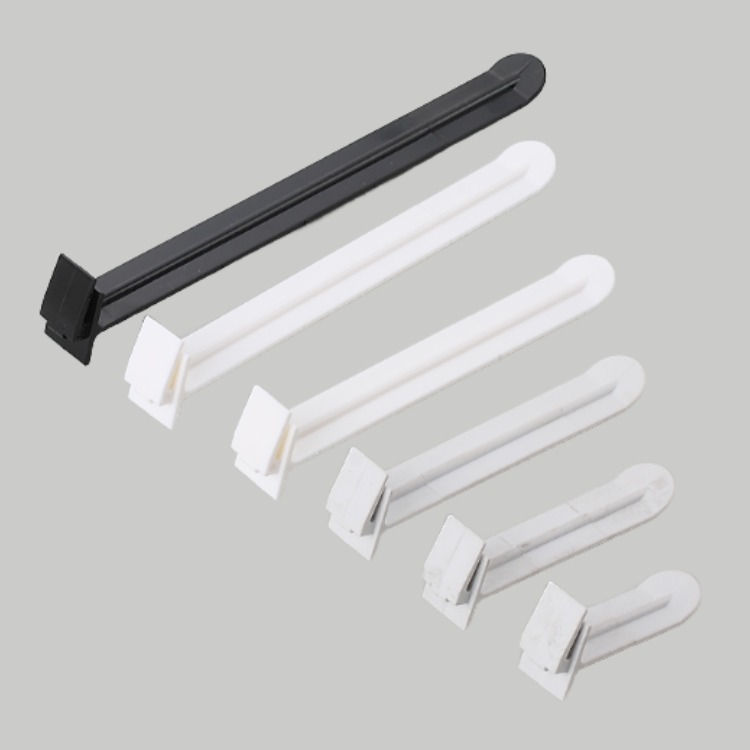
Anyone can safely remove wall hooks from hard walls at home with the right method. Most people will find these hooks on concrete, cement, or even hardwood walls. The best method is to insert a small blade between the wall and the back of the hook and then gently pry it off. Here are the common wall types and how to perform this method:
| Wall Type | Removal Method |
|---|---|
| Concrete, Cement, Cinder Block, Thin Plaster, Tile, Soft Stone, Hardwood | Insert a small blade between the wall and the hook, then gently pry it off. |
You don’t need any special skills or experience. Anyone can do this job with patience and care.
Key Takeaways
- Use a small blade. Gently insert it between the wall and the hook. This helps you safely remove the hook.
- Prepare some tools, such as dental floss, pliers, and a hairdryer. These tools can make the job easier.
- Use spackle to repair any damage to the wall. After removing the hook, use touch-up paint to make the wall look clean and tidy.
- Always be safe. Wear gloves and use tools correctly. This helps you avoid injury.
- Move slowly and gently. This prevents you from damaging the wall while removing the hook.
Tools Needed to Remove Hardwall Picture Hooks
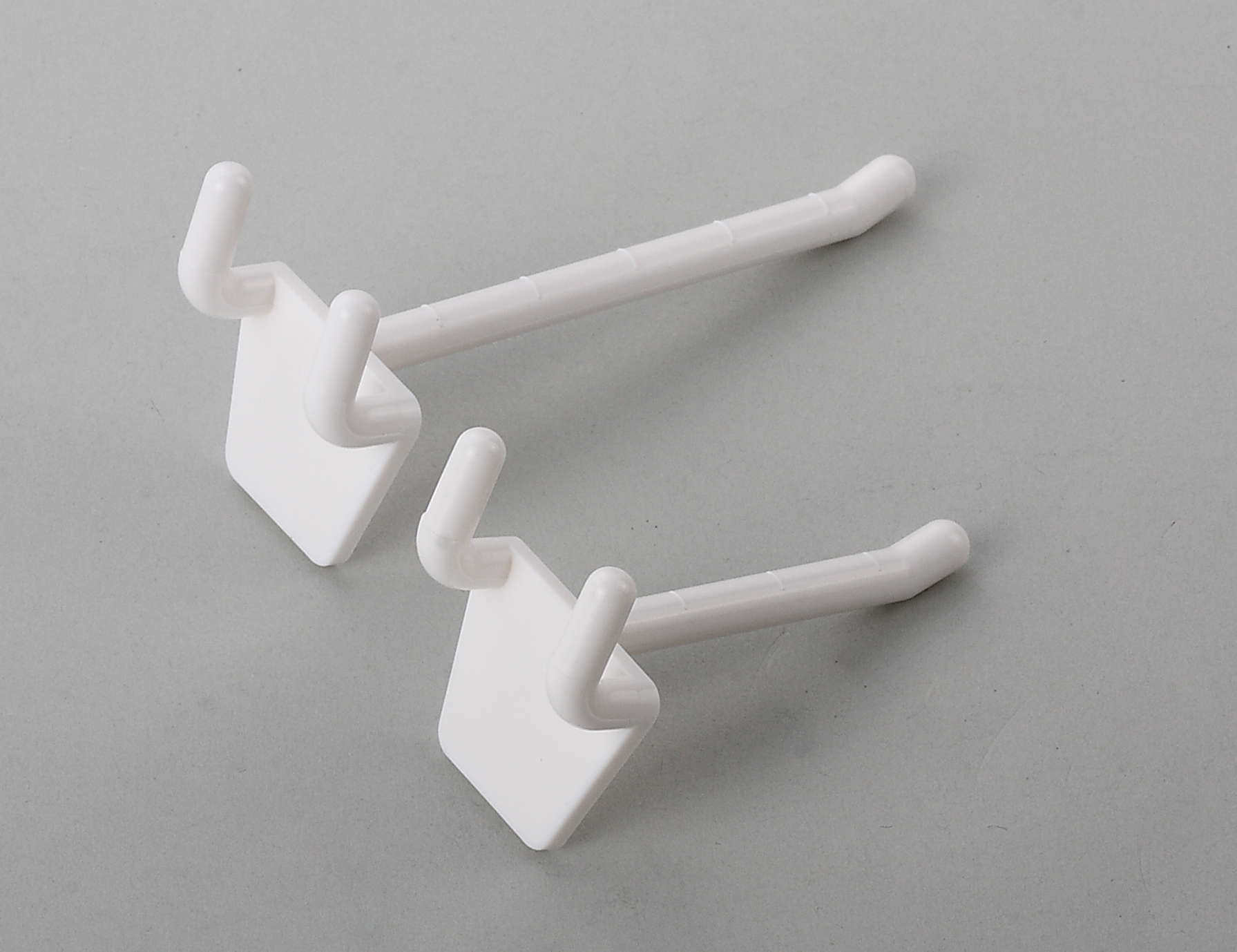
Before attempting to remove hard hooks, you should have the right tools ready. Having the right tools makes the job easier and helps prevent wall damage.
Basic Tools for Safe Removal
Here are some simple tools that work for this task:
- Dental floss or fishing line: These can be slipped behind the hook and help cut through any adhesive.
- Pliers: Pliers are great for gripping and pulling out stubborn hooks.
- Small flathead screwdriver or putty knife: These tools can gently pry the hook away from the wall.
- Hair dryer: Heating can soften sticky adhesives, making the hook easier to remove.
- Plastic scraper: This tool can help lift the hook without scratching the wall.
Tip: You should always start with the gentlest tool. If the hook doesn’t move, you can try a stronger tool.
Optional Tools for Wall Repair
Sometimes, removing hooks leaves small marks or holes. These repair tools can help repair walls and make them look brand new:
- Putty or wall filler: Used to fill small holes or dents.
- Putty knife: A putty knife is used to apply the putty smoothly.
- Sandpaper: Sandpaper is used to smooth the repaired area.
- Touch-up paint: Touch-up paint can cover the repaired area, blending it seamlessly with the rest of the wall.
Those aiming for a perfect finish should have these tools ready. After removing wall hooks, they can quickly make repairs and paint.
Note: Most repairs are simple and can be completed in just a few minutes. For larger holes, it is recommended to seek professional help.
How to Remove Hardwall Picture Hooks Step by Step
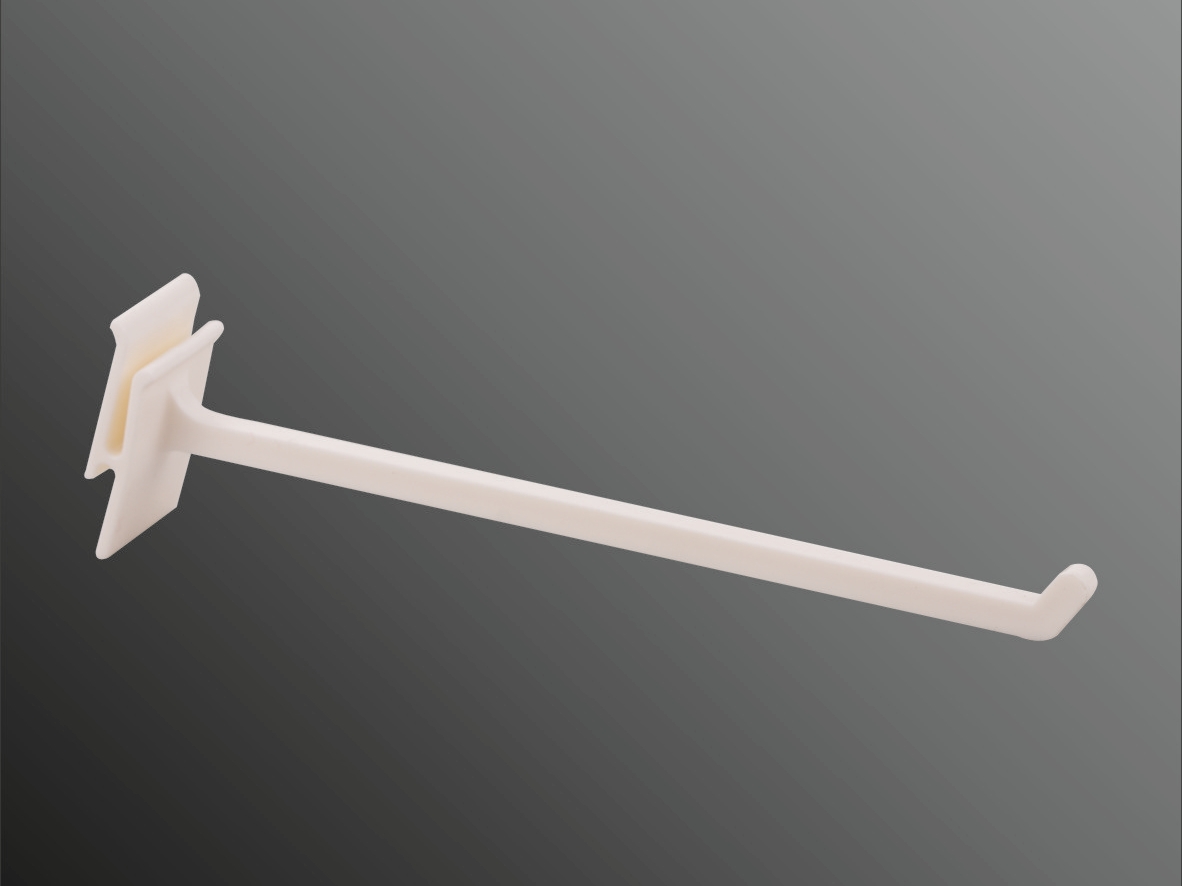
Prepare the Area and Yourself
Before starting, clear the area around the hook. Remove any furniture or decorations. This will provide enough space to work and ensure safety. Wash your hands, and if possible, wear gloves. Gloves can protect your fingers from sharp tools and rough wall surfaces.
A small flashlight can help you see the hook better, especially in dark corners. Good lighting makes it easier to find the glue or nails holding the hook in place. Have all your tools ready and within easy reach. This will help make the whole process go smoothly.
Tip: Lay an old towel or sheet under the work area. This will catch any dust or small debris that may fall.
Loosen and Remove the Hook
You can remove hard wall hooks without damaging the wall by following these simple steps:
- Insert a small blade (such as a putty knife or flathead screwdriver) between the wall and the back of the hook.
- Gently wiggle the tool to loosen the hook. Do not use excessive force or rush the process.
- If the hook feels stuck, try using dental floss or fishing line. Slide the floss behind the hook and gently pull it back and forth to cut through any adhesive.
- For hooks with strong adhesive, you can heat the area with a hairdryer for about 30 seconds. Heating softens the adhesive, making the hook easier to peel off.
- Once the hook starts to loosen, slowly pull it away from the wall. Keep the tool flat to avoid scratching the wall surface.
- Discard the removed hook. Do not reuse it.
Safety Tip: Always point the tip of sharp tools away from your body. Take a break if your hand gets tired.
Handle Stubborn Hooks
Sometimes, hooks are not easy to remove. If the hook won’t budge, try gripping it with pliers. Gently twist the hook while pulling it out. If the hook still doesn’t move, heat it with a hairdryer for a longer period and try again.
Never yank or force the hook off. This can cause the wall to crack or leave a large hole. If the hook breaks, use pliers to remove any remaining small pieces.
If the wall starts to peel or crumble, stop immediately. Professional help may be needed at this point.
By following these steps, you can safely remove hard wall hooks and keep your walls looking good.
Repairing Wall After Hook Removal
Fill Holes and Smooth Surface
After removing a hard wall hook, you may see small holes or rough spots on the wall. These can be easily repaired with the right materials. You can purchase a drywall repair kit that matches the size of the hole. Before starting, check for any loose paper or plaster around the edges and gently remove it.
Here are quick repair steps to smooth the wall surface:
- Clean the area with a dry cloth.
- Fill the holes with putty or wall repair compound. For larger holes, drywall repair patches work best.
- Smooth the filler with a putty knife, ensuring it is flush with the wall surface.
- Allow the filler to dry. Fast-drying putty usually requires at least 1-2 hours before sanding or painting. Regular putty may take up to 24 hours for best results.
- Once dry, sand the area with fine-grit sandpaper until the surface is smooth.
Tip: If the hole is larger than a coin, or the wall feels fragile, it’s recommended to contact a professional for assistance.
Touch Up Paint or Finish
Now the wall is ready for a fresh look. You can use touch-up paint that matches the wall color. A small brush is ideal for blending the new paint with the old. If the wall has a special finish, try to match the texture as closely as possible.
Here are the next steps:
- Wipe away any dust from sanding.
- Apply a thin coat of paint to the repaired area.
- If necessary, allow the paint to dry completely before applying a second coat.
Note: After most repairs, the paint touch-up will be almost invisible. If the repair is still noticeable, you can apply another coat of paint or sand it slightly.
By following these steps, your walls will look brand new. You can confidently remove hard wall hooks every time, knowing that the repair job is quick and easy.
Safety Tips for Removing Hardwall Picture Hooks
Avoiding Wall Damage
People often rush when removing hooks. They might grab the nearest tool and start pulling. This can lead to cracks, chips, or even large holes in the wall. To avoid these problems, use a gentle approach and the right tools. A plastic scraper or putty knife is best for prying off hooks. These tools help lift the hook without scratching the surface.
Here are some common mistakes to watch out for:
- Using too much force
- Pulling at an angle
- Using sharp knives or metal tools that can scratch the wall
Tip: If the hook feels stuck, try heating it with a hairdryer. The heat can soften the adhesive, making removal easier.
Always check the type of wall before you begin. Concrete and hardwood walls require extra caution. If the wall starts to crumble, stop immediately and seek help.
Protecting Yourself
Safety is just as important as protecting the walls. People sometimes forget to protect their hands or eyes. Gloves can prevent cuts from sharp edges. Safety glasses can prevent dust and small debris from getting into the eyes. Keeping the work area clean is also important. People should move furniture and lay down towels on the floor. This keeps the area tidy and prevents slips. They should keep their tools organized and within easy reach.
Here is a brief table on safe tool usage:
| Tool | Safety Tip |
|---|---|
| Pliers | Grip firmly, pull slowly |
| Putty Knife | Keep blade flat |
| Hair Dryer | Avoid overheating |
| Dental Floss | Use gentle sawing motion |
By following these tips, people can safely remove hooks from the wall without injuring themselves.
With patience and the right technique, anyone can remove hardwall hooks. For best results, use gentle tools and work patiently. Here are some tips for successfully removing hooks:
- Avoid using tools to pry the hook off.
- Pull the nail out with your fingers.
- Pull it out at the same angle it was installed, and rotate slightly.
If there are large cracks or damage to the wall, seek professional help.
FAQ
What if the hook leaves a stain on the wall?
A gentle cleaner can usually remove any remaining adhesive. A damp cloth and mild soap can be used. If the stain persists, it can usually be covered with touch-up paint.
Can hardwall hooks be reused?
Most hardwall hooks lose their grip after removal. For best results and safety, new hooks should be used.
Is it safe to use a knife to remove the hook?
Using a putty knife or plastic scraper is safer than using a kitchen knife. Avoid using sharp blades to prevent personal injury and wall damage.
How do I find the right paint for touch-ups?
Take a small paint sample to a hardware store. Staff can scan the color and mix a matching paint sample.


