

People can protect their acrylic display stands with a few simple methods. Handle them with care, clean them gently, store them properly, display them safely, and inspect them regularly to maintain their pristine appearance.
- Touch each stand with clean hands.
- Wipe gently with a soft cloth.
- Store in a dust-free place.
- Keep away from sunlight and high temperatures.
- Check for damage frequently.
Tip: Anyone can follow these simple steps. They can prevent most damage and help protect your acrylic sign holders, ensuring they remain beautiful for a long time.
Key Takeaways
- Be gentle when touching acrylic display stands. Ensure your hands are clean or wear nitrile gloves. This helps prevent fingerprints and grease from getting on the stands.
- Clean the stands regularly with a soft microfiber cloth. Do not use harsh chemical cleaners. This prevents them from getting scratched or becoming cloudy.
- Store the stands in a dust-proof box or protective case. Keep them away from sunlight and damp places. This helps prevent damage.
- Display the price tag holder in a low-traffic area. Choose a stable surface. This helps prevent them from falling or being knocked over.
- Inspect the stands for damage frequently. Regular checks help keep the stands looking good and extend their lifespan.
Protect acrylic standees from damage
Acrylic display stands are beautiful, but they require careful handling. If you want your custom acrylic display stands to last, follow these simple steps. These tips help prevent scratches, cracks, and other damage.
Safe handling
Be gentle when touching acrylic display stands. Always wash your hands before picking up the stands. Some people wear nitrile gloves to prevent leaving fingerprints. Gloves also prevent grease and dust from getting on the stands.
Do not handle custom acrylic display stands roughly. Move them slowly and carefully. Keep sharp objects away from the stands. Frequently check the stands for small cracks or scratches.
Tip: High-quality acrylic products from reputable brands usually come in sturdy packaging. This packaging protects the stands during shipping and storage. It helps prevent damage before you receive the product.
Avoid fingerprints
Fingerprints and smudges can make custom acrylic display stands look unsightly. Clean hands help, but wearing gloves is even better. Nitrile gloves won’t leave fingerprints, so the display stand can stay clean.
Try not to touch the acrylic surface. If cleaning is necessary, wipe away stains with a soft cloth. Keeping the display stand clean helps protect the acrylic and keeps it looking new.
- For best results, use powder-free nitrile gloves.
- Wipe gently with a microfiber cloth.
- Store the display stand in a dust-free area.
Prevent accidental drops
Acrylic display stands can be damaged by drops. Place your custom acrylic display stand on a stable surface. Keep it away from high-traffic areas to avoid collisions.
Acrylic display stands are not drop-resistant and are prone to cracking or shattering after a fall. Choose a safe location to display your stand.
Note: Sturdy packaging, like the kind provided by IDmate, offers extra protection when you move your display stand. It protects the stand from bumps and drops until it reaches its new location.
- Place the display stand on a flat, stable surface.
- Avoid high-traffic areas.
- Regularly check the safety of the display location.
By following these steps, you can protect your acrylic display stand. You will be able to enjoy your custom acrylic display stand for years to come. Proper care of the stand helps prevent damage and keeps it looking beautiful.
Cleaning acrylic stands
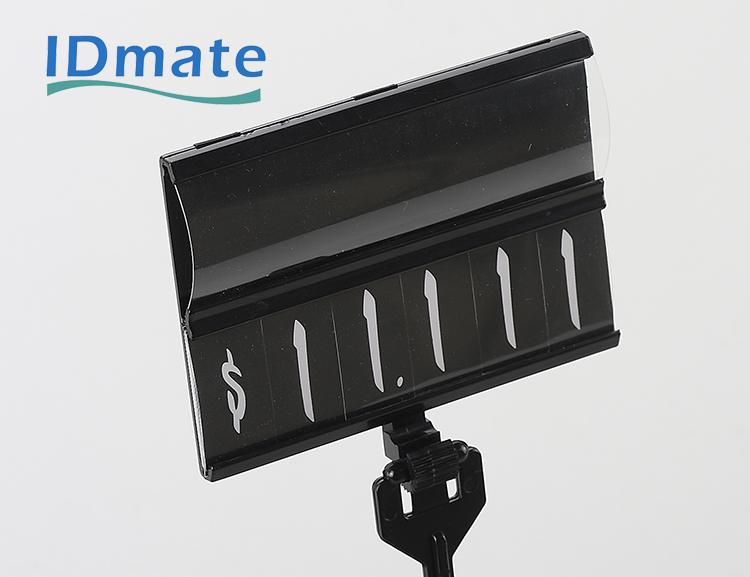
Cleaning acrylic display stands helps maintain their shine and clarity. Dust and dirt, if left for too long, can scratch the surface. Frequent cleaning makes a big difference. People should use gentle methods and avoid harsh chemicals to protect their stands.
Use soft cloths
A soft cloth is the best option for cleaning acrylic display stands. Microfiber cloths can pick up dust without scratching the surface. Lint-free cloths are also good because they don’t leave fibers behind. Some people use soft sponges for scrubbing, but only if the sponge is designed for delicate surfaces.
| Type of Cloth | Description |
|---|---|
| Microfiber cloths | Best option for cleaning acrylic display stands; soft and gentle, reducing the risk of scratches. |
| Soft sponges | Suitable for scrubbing, safe for delicate surfaces. |
| Lint-free cloths | Excellent for wiping acrylic; won’t leave fibers that could cause scratches. |
Tip: Wipe your acrylic display stand weekly to keep it clean. This prevents hazing and scratches.
Avoid harsh cleaners
Some cleaning agents can damage acrylic stands. Mild dish soap and water are excellent cleaners. 70% isopropyl alcohol can be safely used to clean stubborn stains. Never use ammonia-based cleaners, abrasive sponges, or acetone. These substances will scratch or cloud the stand.
- Do not use ammonia-based cleaners, such as Windex.
- Do not use abrasive sponges.
- Never use acetone or strong alcohol.
Remove protective film carefully
New acrylic stands often have a protective film. Remove the protective film correctly to prevent scratches and sticky residue. Peel off a corner with your fingernail, or use tape to lift the film. Soak the stand in warm water for 30 minutes to soften hard-to-remove film. Tweezers or a paper tube can help with small edges. A hairdryer can heat the adhesive, making peeling easier. If there is still adhesive residue, clean it with an eraser.
Steps for Removing the Protective Film:
- Gently peel off a corner with your fingernail.
- Use tape to lift the protective film.
- Soak in warm water for 30 minutes.
- Try using tweezers for small corners.
- Use a hairdryer to heat the protective film.
- Clean any remaining adhesive with an eraser.
Gentle cleaning of acrylic stands reduces scratches. The stands will remain clear and bright. Regular dusting and gentle cleaning will keep the stands looking beautiful.
Storage solutions for acrylic standees
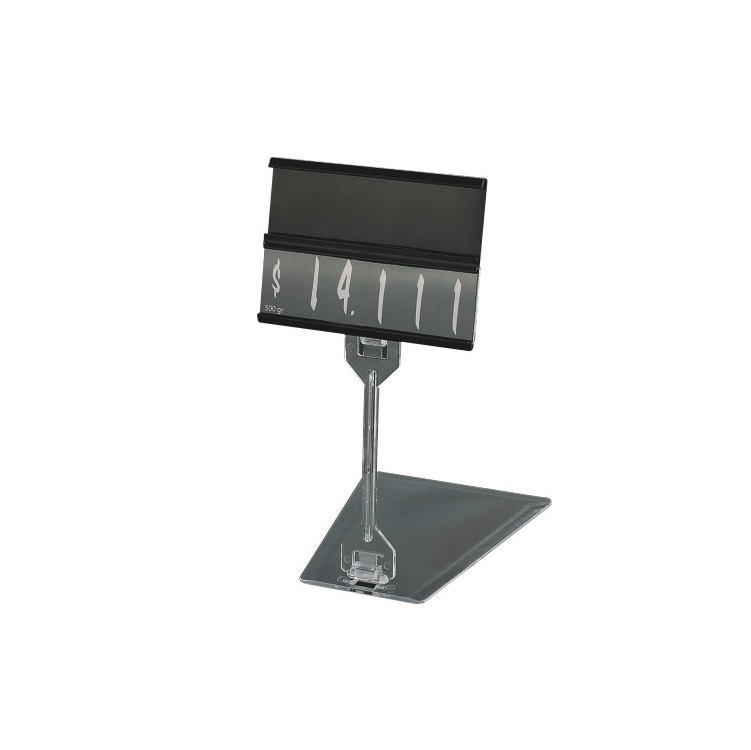
Proper storage of acrylic stands protects them. If you want your collectibles to last, pay attention to dust and moisture protection. Good packaging is also important. Here are some simple ways to store your stands.
Dust-free storage
Collectors use boxes with lids or clear covers to protect against dust. These boxes also block sunlight and UV rays. This helps the stands stay bright and prevent fading. These boxes look great and fit in any room. Cleaning is also simple; just use soap and a soft cloth.
| Feature | Description |
|---|---|
| Design | Keeps collectibles dust-free and blocks sunlight and UV rays. |
| Dustproof | Boxes with lids or transparent covers protect against dust. |
| Cleanliness | Easy to clean with soap and a soft cloth. |
| Versatility | Suitable for jewelry, fashion items, and collectibles. |
| Aesthetic Appeal | Stylish appearance, perfectly displays your display stand. |
Please place the acrylic display stand in an environment with stable humidity. If the humidity or temperature changes too much, the acrylic may bend or deform. High humidity can also lead to mold growth. Maintaining stable humidity helps prevent damage. A constant temperature and humidity environment prevents the display stand from bending or cracking.
- Humidity changes can cause acrylic to bend.
- High humidity can lead to mold growth.
- Stable humidity protects the display stand.
- A constant temperature and humidity environment prevents the display stand from becoming brittle.
Use protective covers or bags
Plastic bags or soft protective covers can protect the display stand from dust and scratches. Many collectors use zippered bags or protective covers for each display stand. These covers keep the surface clean and prevent scratches from small objects. Do not stack the display stands together. Place soft padding between them to prevent scratches.
- Wipe the surface with a soft microfiber cloth.
- Place padding under the items to prevent scratches.
- Handle the display stand gently; do not drag it.
Sturdy packaging for transport
Shipping acrylic display stands requires extra care. Sturdy packaging is crucial. Bubble wrap and foam can protect the display stand from bumps and drops. These materials cushion the display stand and prevent scratches during transit. Professional packaging companies like IDmate use sturdy boxes and clever designs to ensure the display stands arrive safely at their destination.
Those who use sturdy packaging reduce the risk of damage. Their display stands remain in pristine condition even after shipping.
Tip: Always check the packaging before shipping or storing your display stands. Good packaging reduces worries about damage.
Proper storage extends the lifespan of acrylic display stands. Dustproof boxes, protective covers, and sturdy packaging help collectors enjoy their display stands for many years.
Display tips for acrylic stands
Choosing a suitable display location is crucial for your acrylic display stand. You want it to look bright and clear. Consider sunlight, heat, and the amount of foot traffic in the location.
Avoid direct sunlight
Sunlight can damage acrylic display stands. If you place the stand in direct sunlight, the colors may fade or yellow. The surface may also become brittle or warp. Keep your acrylic display stand away from windows or strong sunlight. Some people use UV-resistant polishes for added protection.
Tip: Place your acrylic display stand indoors or in a shaded area. This prevents yellowing and damage.
- Sunlight can cause colors to fade or change.
- Direct sunlight may cause the stand to warp or crack.
- UV-resistant polish helps protect the surface.
Keep away from heat sources
High temperatures can damage acrylic stands. If the stand is placed near a heater or stove, it may bend or warp. The optimal temperature range for acrylic stands is 50°F to 90°F (10°C to 32°C). Acrylic can withstand some heat, but excessive temperatures can cause problems.
| Temperature Range | Effect on Acrylic |
|---|---|
| Up to 80°C (176°F) | Handles some heat |
| 50°F to 90°F (10°C-32°C) | Best for stopping bending |
Check the surrounding temperature before placing the acrylic stand.
Place in low-traffic areas
High-traffic areas are prone to collisions and falls. Acrylic stands are lightweight, so they can easily move if someone bumps into them. In a quiet place, the stand can remain safe and stable. Although acrylic stands are durable, they will last longer in low-traffic areas.
| Feature | Description |
|---|---|
| Lightweight | Easy to move, but also easily knocked over |
| Durable | Remains stable in quiet areas |
Some people use edge protectors for added safety. These protectors help prevent chips and cracks in the corners.
Note: Choosing a safe location for your acrylic stand will keep it looking good and extend its lifespan.
Prevent scratches and common damage
Collectors can take steps to prevent scratches and other damage to keep their acrylic stands in top condition. Scratches are often caused by mechanical stress, rough handling, or using harsh cleaning materials. People can protect their stands by using protective film, edge protectors, and performing regular inspections.
Use protective films
Adhesive protective film acts like a shield for acrylic stands. It helps prevent scratches during storage and handling. Many collectors apply protective film immediately after purchasing a new stand. The film blocks dust and keeps the surface smooth. People should avoid peeling off the protective film too quickly. If the stand needs cleaning, the protective film can be gently wiped with a soft cloth.
Common causes of scratches:
- Mechanical stress from moving or stacking
- Improper handling with bare hands
- Cleaning with rough sponges or strong chemicals
Tip: Protective film helps prevent scratches before they happen. They make cleaning easier and keep the display stand looking brand new.
Edge protectors for corners
Corners and edges are the most susceptible to wear and tear. Edge protectors can be fitted onto the corners to prevent chipping or cracking. These small protectors help prevent scratches from bumps or falls. Collectors use soft silicone or plastic protectors. These protectors come in different shapes and sizes, making it easy to choose the best fit for your display stand.
| Protector Type | Benefit |
|---|---|
| Silicone | Soft, absorbs impact |
| Plastic | Hard, resists chips |
Edge protectors are very effective in high-traffic rooms or when moving display stands. They add an extra layer of protection and help prevent damage.
Regular maintenance checks
Regularly inspecting your acrylic display stand helps detect signs of damage early. Most collectors inspect their stands every 4-6 weeks. If the stand is placed in harsh environments, such as near heat sources or in direct sunlight, it should be inspected more frequently.
What to look for during inspections:
- Press your fingernail into the silicone gasket. If no indentation is left, the gasket needs to be replaced.
- Hold the display stand at a 45° angle to the light. Check the edges for small scratches. If scratches are present, polish them with a mild polishing compound.
- Apply a drop of white vinegar to any aluminum parts. If the color changes within 30 seconds, the coating needs to be repaired.
Note: Regular inspections help prevent scratches and detect damage early. Those who frequently inspect their stands can keep them looking new for years.
Taking these measures helps collectors prevent scratches and common damage. Protective films, edge protectors, and regular inspections all play a significant role. The acrylic display stand will remain clear, bright, and undamaged.
Those who want to protect their acrylic display stands should handle them gently. A soft cloth should be used for cleaning. Each stand should be stored properly. Keep the stands away from sunlight and heat sources. Do not use harsh cleaning agents. These steps help the stands remain bright and clear for years.
Long-term care tips:
- Wash with mild soap and water.
- Use a microfiber cloth to prevent scratches.
- Each stand should be stored properly with padding.
- Keep away from heat sources and sunlight.
If people do this regularly, the acrylic display stand will be well-protected. Their collectibles will remain beautiful for a long time.
FAQ
How often should acrylic display stands be cleaned?
Most people clean their acrylic display stands once a week. Frequent dusting helps maintain the stand’s shine and clarity. If your stand is in a high-traffic area, it will need to be cleaned more frequently. This helps prevent scratches.
What is the safest way to store acrylic display stands?
Collectors use soft bags or padded boxes. These prevent dust and scratches from damaging the stands. It’s best to store each stand individually. People avoid stacking the stands to prevent damage.
Can I use regular glass cleaner to clean acrylic display stands?
No, glass cleaner contains ammonia. Ammonia can cause acrylic to become cloudy or scratched. People typically use mild soapy water or a specialized plastic cleaner to clean acrylic display stands.
Where is the best place to display acrylic display stands?
It’s best to choose a quiet location away from sunlight and heat sources. People usually place the stands on shelves or in cabinets in quiet areas. This protects the stands from bumps and fading.


