
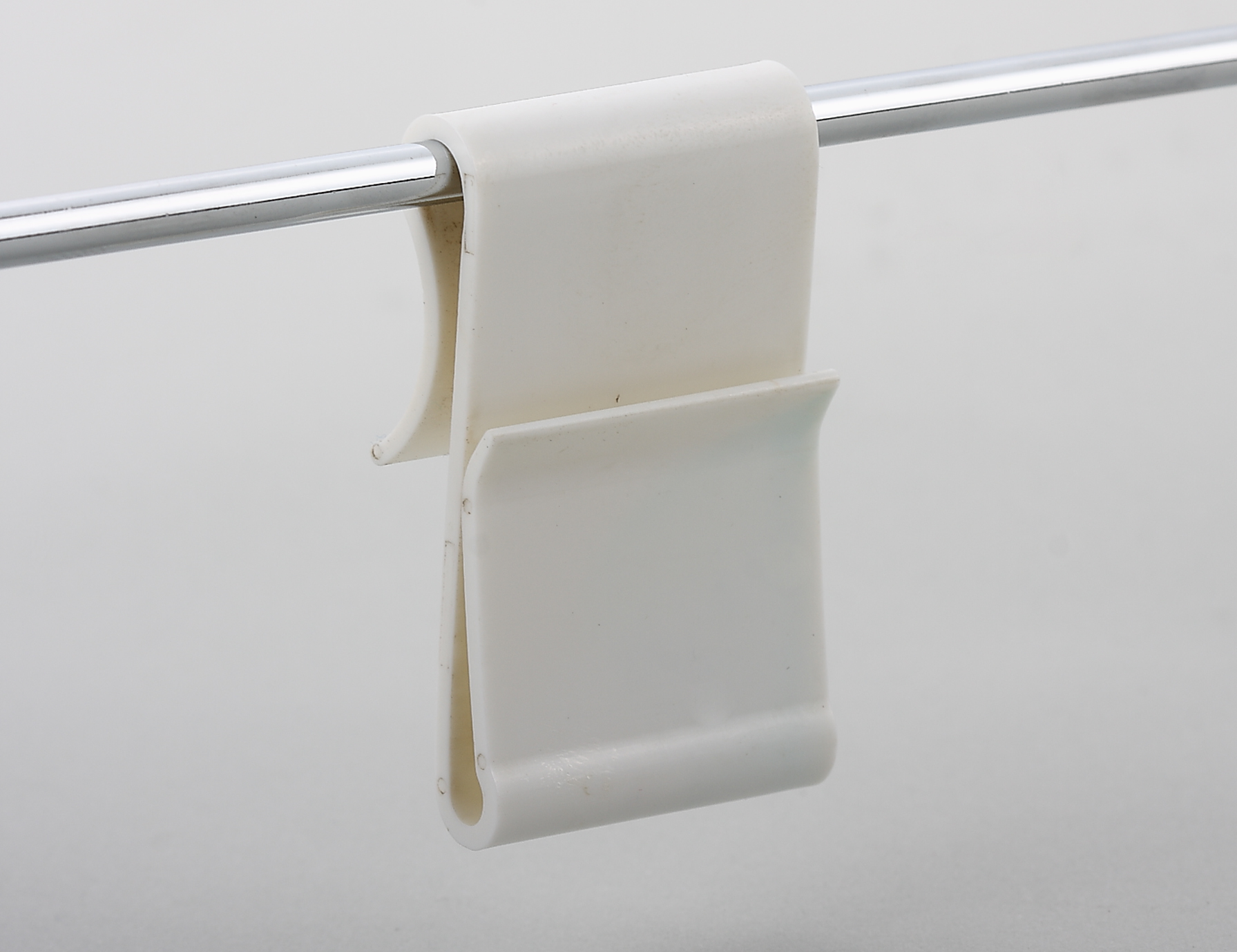
The strongest types of hooks include heavy-duty adhesive hooks, screw-in wall hooks, magnetic hooks, and sturdy plastic display hooks. Choosing the right hook ensures the safety of your items and prevents accidents. Some people overlook the risks, but even experts have witnessed accidents caused by using the wrong type of hook. Weight capacity, material, and installation method are just as important as the style of the hook. Strong hooks give everyone peace of mind about their displayed items.
Key Takeaways
- Choose the right type of hook based on the weight of the item. Heavy-duty screw-in hooks are best for heavy items, while adhesive hooks are suitable for lighter objects.
- Always check the weight capacity of the hook before use. Choose a hook with a weight capacity that is at least 20-25% higher than the weight of the item you plan to hang.
- Use rust-proof hooks in damp areas. Plastic display hooks are ideal for kitchens and bathrooms because they won’t rust or corrode.
- Proper installation is key to safety. Ensure the hook is installed on a sturdy surface and follow the installation guidelines to prevent accidents.
- Regularly inspect hooks for wear and tear or damage. This helps maintain safety and ensures your displayed items remain secure.
Strongest Types of Hanging Hooks
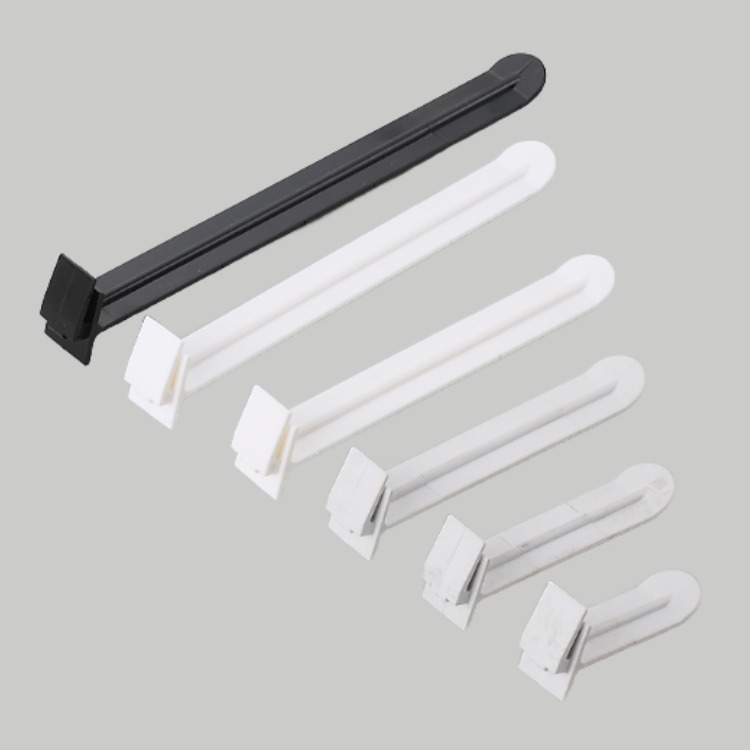
When people look for the strongest hooks, they consider different types and materials. Some hooks are better suited for heavy items, while others are better for lighter objects. The strongest hooks include adhesive hooks, screw-in wall hooks, magnetic hooks, and plastic display hooks. Each type of hook has its best use and special features.
Heavy-Duty Adhesive Hooks
Adhesive hooks are popular because of their ease of installation. People like them because they don’t require drilling holes in the wall. Most adhesive hooks can hold 1 to 5 pounds, but some heavy-duty adhesive hooks can hold up to 20 pounds. These hooks are suitable for light items such as keys, hats, or small tools. Heavy-duty adhesive hooks use stronger adhesive and a larger bonding area to provide better support.
Tip: Clean the wall surface before applying adhesive hooks. This allows the hook to stick more securely.
Over time, the adhesive on sticky hooks may weaken, especially in humid rooms or areas with significant temperature fluctuations. For heavier items, frequently check the hooks to ensure they remain secure. If the adhesive starts to detach, replace the hook to prevent items from falling. Adhesive hooks are ideal for short-term use or in places where drilling is not possible.
Screw-In Wall Hooks
Screw-in wall hooks are sturdy, durable, and reliable. People use these hooks to hang heavy objects such as shelves, mirrors, or large paintings. These hooks are directly fixed to the wall, making them very secure. Screw-in wall hooks have a higher weight capacity than adhesive hooks. Depending on the wall material, some hooks can hold up to 50 pounds or more.
Screw-in wall hooks are best suited for drywall, wood, or brick walls. If the wall is soft, use expansion bolts to help secure the hook. These hooks are suitable for items that need to be hung for extended periods and where safety is paramount.
Magnetic Hooks
Magnetic hooks are unique because they can adhere to metal surfaces. They use strong magnets to attach to steel, iron, or other metals. Many magnetic hooks can hold up to 45 pounds on thin steel sheets. Some hooks are said to hold 50 to 100 pounds on thicker metal. Magnetic hooks are ideal for hanging heavy objects in places like garages, workshops, or warehouses.
- Magnetic hooks are durable and versatile.
- Newer magnets allow these hooks to hold heavier items.
- Magnetic hooks have a higher weight capacity than adhesive hooks.
- Magnetic hooks are best suited for thick, flat metal surfaces.
People use magnetic hooks to hang tools, wires, or kitchen utensils. They require no installation, so they can be moved easily. Magnetic hooks may not adhere as well as expected on thin metal or vertical metal surfaces, so check the metal surface before hanging heavy objects.
Plastic Display Hooks
Plastic display hooks are popular in stores and exhibitions. These hooks are sturdy, secure, and easy to use. IDmate manufactures plastic display hooks for pegboards, slatwalls, grid panels, and cardboard display stands. Their hooks are made from tough plastic that resists bending and breaking.
IDmate’s plastic display hooks are suitable for a variety of panel types. They are used to display packaged goods, accessories, and promotional items. The plastic display hooks are lightweight, rust-proof, and safe for both staff and customers. They won’t scratch items or rust, making them suitable for damp environments.
Note: IDmate’s plastic display hooks are available in a variety of colors and shapes. This helps stores create aesthetically pleasing displays that match their store’s style.
The plastic display hooks are suitable for hanging light to medium-weight items. They are easy to install and remove, saving time and effort. IDmate’s hooks have smooth edges and reliable performance, making them trusted by stores, warehouses, and trade shows.
Users can choose the most suitable hook for their needs. Adhesive hooks are ideal for quick hanging of small items. Screw-mounted wall hooks are best for heavier items. Magnetic hooks are perfect for metal surfaces. IDmate’s plastic display hooks are strong, durable, and aesthetically pleasing.
What Makes Hooks Strong?
Material and Build Quality
The material of a hook determines its strength. Steel, stainless steel, and tough plastics are common materials used to manufacture strong hooks. These materials are less likely to bend or break. The manufacturing process of the hook is also important. High-quality hooks last longer and maintain their shape even when supporting heavy objects. For example, All-T hooks use high-quality materials, making them durable. OneMonroe steel hooks are strong and reliable. Heavy-duty steel wall hooks use thick steel and a powder coating to prevent damage. The table below shows the impact of different materials on hook weight capacity:
| Hook Type | Load Capacity | Material Used |
|---|---|---|
| Secure Gripper Hook | 40 lbs | Steel Cable |
| Gallery Classic Hook | 110 lbs | Stainless Steel Rod |
| Combination Hook | Up to 220 lbs | Aluminum/Stainless Steel Rod |
Design Features
Design features make hooks stronger and capable of holding more weight. Some hooks use ABS plastic, which is less likely to crack or age. Others use strong adhesive backing for secure attachment. For example, the cam-locking mechanism on the Gallery Classic hook secures items and allows the hook to support more weight. Some hooks have a self-locking feature, making it easy to move the hook along the steel cable. Secure Grip hooks have a weight capacity of up to 40 lbs, and using multiple hooks can support even greater weight. Good design means the hook can be used in damp environments and won’t leave marks on the wall.
Installation Method
The way a hook is installed affects its strength and weight capacity. For example, twist-on ceiling clips like ClikMagnets are suitable for suspended ceilings and won’t damage the ceiling. For T-bar ceilings, twist-on hooks are the best option, while clip-on hooks are suitable for beams. Sturdy hardware can provide more support for suspended ceilings that need to hold heavy objects. Always check the ceiling material before choosing a hook. Using the correct installation method ensures the hook reaches its intended weight capacity and ensures the safety of the displayed items.
Tip: Always choose the correct installation method based on the surface material and the required weight capacity. This ensures safety and prevents accidents.
Types of Strongest Hooks for Displays
Choosing the right hook for displaying items is crucial. It can make products look appealing and ensure their safety. Each type of hook is best suited for a specific panel. Each type has its unique advantages. Let’s look at the strongest hooks and understand why IDmate’s hooks are strong and durable.
Pegboard Plastic Hooks
Pegboard plastic hooks can be installed in the small holes of a pegboard panel. People use these hooks in stores, workshops, and homes. They can be used to hang items such as tools, snacks, or toys. IDmate’s pegboard hooks are available in various sizes and colors. The plastic material makes them strong and durable, keeping displays neat and organized. These hooks will not rust, so they last longer even in humid environments.
Tip: You can easily move pegboard hooks. This allows stores to quickly change displays.
Slatwall Hooks
Slatwall hooks slide into the grooves of a slatwall panel. These hooks are suitable for hanging heavier items such as bags, electronics, or clothing. IDmate’s slatwall hooks are made of sturdy plastic that resists bending. Their design makes them durable even with frequent use. Stores love these hooks because they keep displays neat and secure.
Gridwall Hooks
Gridwall hooks clip onto metal grid panels. People often see these hooks at trade shows or pop-up shops. IDmate’s gridwall hooks are strong and flexible. The plastic material is tough and durable, allowing for repeated use. These hooks are perfect for displays that need to be moved frequently.
| Hook Type | Best Use | Key Feature |
|---|---|---|
| Pegboard Hooks | Tools, snacks, toys | Easy to move |
| Slatwall Hooks | Bags, clothes, gadgets | Extra strength |
| Gridwall Hooks | Pop-up, mobile displays | Reusable |
| Corrugated Hooks | Cardboard displays | Quick setup |
Corrugated Display Hooks
Corrugated cardboard display hooks are suitable for cardboard display stands. These hooks are used for seasonal promotions or short-term campaigns. IDmate manufactures corrugated cardboard hooks for different cardboard thicknesses. The plastic material is strong and durable, so the hooks will not damage the display stand. Stores use these hooks to hang lightweight items such as candy or small gifts.
Note:IDmate offers hooks that can be customized to fit any panel. This helps stores obtain perfectly matching hooks and maintain the stability of their displays.
Using the right hooks makes displays safe, tidy, and easy to change. IDmate’s sturdy and panel-compatible hooks help stores create durable displays.
Hanging Hooks Weight Limits and Best Uses
Light, Medium, and Heavy Loads
People often wonder how much weight a hook can hold. The answer depends on the type of hook and the item you want to hang. Some hooks are suitable for lightweight items. Others can support heavier wall decorations or large objects. Hooks are used in stores and homes to hang jewelry, mirrors, and more. The table below shows the weight capacity of some common hooks:
| Hook Type | Weight Capacity | Product Number |
|---|---|---|
| Command™ Jumbo Hook | 7.5 lbs | 17004 |
| Command™ Large Hook | 5 lbs | 17003 |
| Command™ Medium Hooks | 3 lbs | 17001 |
| Command™ Clear Jewelry Rack | 1 lb | 17097CLR-ES |
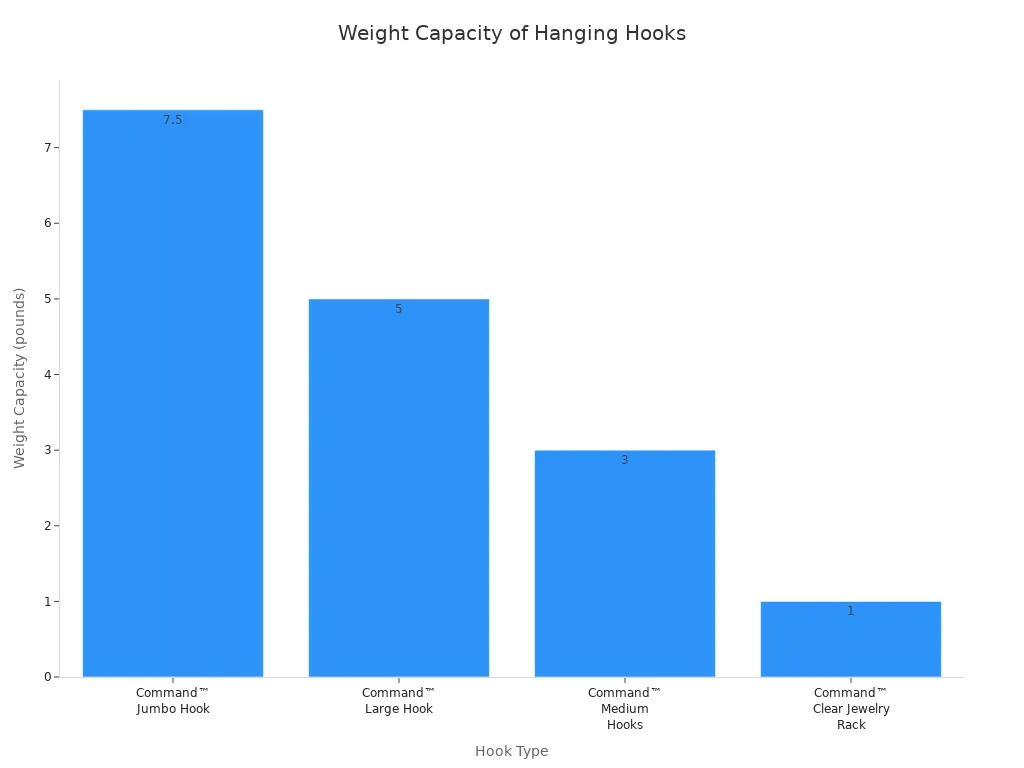
Lightweight hooks are used for hanging keys, jewelry, or small tools. Medium-duty hooks are suitable for hats, kitchen utensils, or picture frames. Heavy-duty hooks are best for shelves, large decorations, or heavier wall-mounted items. Always check the weight limit of a hook before using it. This ensures the safety of the displayed items and prevents them from falling.
Retail, Warehouse, and Exhibition Applications
Hooks are essential in stores, warehouses, and exhibitions. Retail stores use pegboard hooks to hang snacks or accessories. Slatwall hooks can hang heavier items such as bags or electronics. Gridwall hooks are strong and durable and can withstand heavy loads. Warehouses use heavy-duty hooks to hang large items and tools.
Exhibitions require hooks that are easy to install and move. Adjustable and rotating hooks allow for quick changes to displays. Corrugated cardboard hooks are suitable for short-term setups and lightweight items. The table below shows the best uses for each type of hook:
| Type of Hook | Load Capacity | Pros | Cons |
|---|---|---|---|
| Slatwall Hooks | Varies | Secure installation, various sizes | Only suitable for slatwall panels |
| Pegboard Hooks | Light to medium loads | Inexpensive, easy to find | Not suitable for heavy items |
| Gridwall Hooks | High durability | Strong weight capacity, professional appearance | Higher price |
| Adjustable & Swivel Hooks | Varies | Can be easily rotated and moved | Higher price, may wear out |
| Heavy-Duty Hooks | Over 20 lbs | Durable, can hold heavy items | Larger size, may require stronger walls |
Shops, warehouses, and exhibitions all require appropriate hooks. Consideration should be given to weight, display method, and which type of hook is most suitable. This ensures product safety and keeps displays looking neat and attractive.
How to Choose the Right Hanging Hook
Assessing Product Weight and Size
Choosing the right hook starts with understanding what you need to hang. People typically consider the weight and size of the items before selecting hooks. Here are some simple selection methods:
- Measure the weight of the item. Always choose a hook with a weight capacity at least 20-25% higher than the item’s weight.
- Check the length and curvature of the hook. Longer, more curved hooks help prevent smooth fabrics or slippery items from falling.
- Consider the material. Stainless steel hooks are best for heavy items and damp environments. Solid wood hooks look more aesthetically pleasing in dry rooms.
- Consider the finish. Rubber or silicone coatings can protect your items and provide extra grip.
- Determine the mounting method. Some hooks use screws for a more secure hold, while others use adhesive strips for easy removal.
- Hooks should be spaced at least 6 inches (approximately 15 cm) apart. This prevents items from crowding together.
- After installing the hooks, ensure there is enough space for doors or drawers to open.
Planning ahead makes it easier to meet your hanging needs.
Matching Hook to Display Panel
Matching hooks to the appropriate display panel is crucial. Shops, homes, and offices all have different panels to meet varying hanging needs. Here’s how people match hooks to panels:
- Determine the items you want to display. Heavy tools require sturdier hooks, while lighter items can use smaller hooks.
- Measure your space. Ensure the hook size is appropriate and won’t take up too much space.
- Calculate the weight capacity of each hook. Always choose hooks with a weight capacity exceeding the weight you expect to hang.
- Choose the mounting type. Wall-mounted hooks are fixed in place, while freestanding hooks can be easily moved.
- Check the material quality. Durable hooks last longer and ensure the safety of the displayed items.
- Understand the time and tools required for installation. Simple hooks save time.
- Review the return policy. You should be able to exchange the hooks if they don’t suit your hanging needs.
Matching hooks to panels allows people to make their display racks more secure and stable.
Special Hook Designs
Some hanging needs require special hook designs. People use different hooks to achieve unique display effects, and each type of hook has its unique advantages. The table below shows common hook types and their applications for different hanging needs:
| Hook Type | Common Uses | Load Capacity |
|---|---|---|
| Open S-Hooks | Hanging signs, temporary decorations | Up to 20 lbs (2″) |
| Clamping or closed S-shaped hook | Retail signage, long-term displays | Up to 12 lbs |
| Welded or heavy-duty S-shaped hook | Industrial use, rigging | Higher than standard |
| Safety or snap-on S-shaped hook | Gyms, places with human activity | Varies by design |
| Decorative or special S-shaped hook | Home organization, garden displays | Varies by design |
Choosing the right hook can make your display more durable and aesthetically pleasing. Special designs help improve safety, aesthetics, and strength.
Product Recommendations and Trusted Hanging Hooks Brands
Choosing the right hook helps ensure safe and attractive displays. Many well-known brands produce sturdy hooks suitable for various uses. Here are some top choices trusted by users for their excellent performance.
IDmate Plastic Display Hooks
IDmate plastic display hooks help stores, warehouses, and trade shows keep items neat and organized. These hooks are suitable for pegboards, slatwalls, grid panels, and corrugated boards. They are made of sturdy plastic that won’t bend or break easily. IDmate hooks come in a variety of shapes and sizes, so you can find the right hook for any display need. The company’s products are sold in over 30 countries and are ISO9001 certified. Their hooks are lightweight, rust-proof, and safe for both employees and customers. The IDmate team can quickly answer customer questions and can customize hooks for special displays.
Note:IDmate hooks are packaged in sturdy boxes and shipped quickly, ensuring businesses receive their products promptly.
Command™ Heavyweight Utility Hooks
Command™ heavy-duty multipurpose hooks are suitable for homes and offices. These hooks can hold up to 15 pounds and can be attached to painted walls or concrete. They require no tools for installation and leave no residue upon removal. People can use these hooks to hang coats, bags, or kitchen utensils.
Gallery Classic Hook
Gallery Classic hooks are ideal for hanging heavy items. Each hook, when used with a hanging rod, can support up to 110 pounds. The self-activating design makes installation easy and safe. These hooks are commonly used to hang artwork, mirrors, or large decorative items. With more hanging rods, the weight capacity increases to 220 pounds.
- Gallery Classic hooks can hold heavy objects.
- Use more hooks and rails to hang larger exhibits.
3M CLAW Hooks
3M CLAW hooks are made of strong steel for greater load-bearing capacity. These hooks securely fasten to drywall without the need for studs or anchors. Some packages include positioning markers to help you install them accurately. These hooks are reliably rated to hold 15 lbs, 25 lbs, 45 lbs, and even 65 lbs.
- 3M CLAW hooks are quick to install and provide a secure hold.
- Positioning markers help you accurately place items where you want them.
Choose these trusted brands for durable and reliable hooks that keep your exhibits safe. Each brand offers clear weight limits and easy installation methods, making them a smart choice for any display scenario.
Installation Tips for Strongest Hanging Hooks
Proper Placement
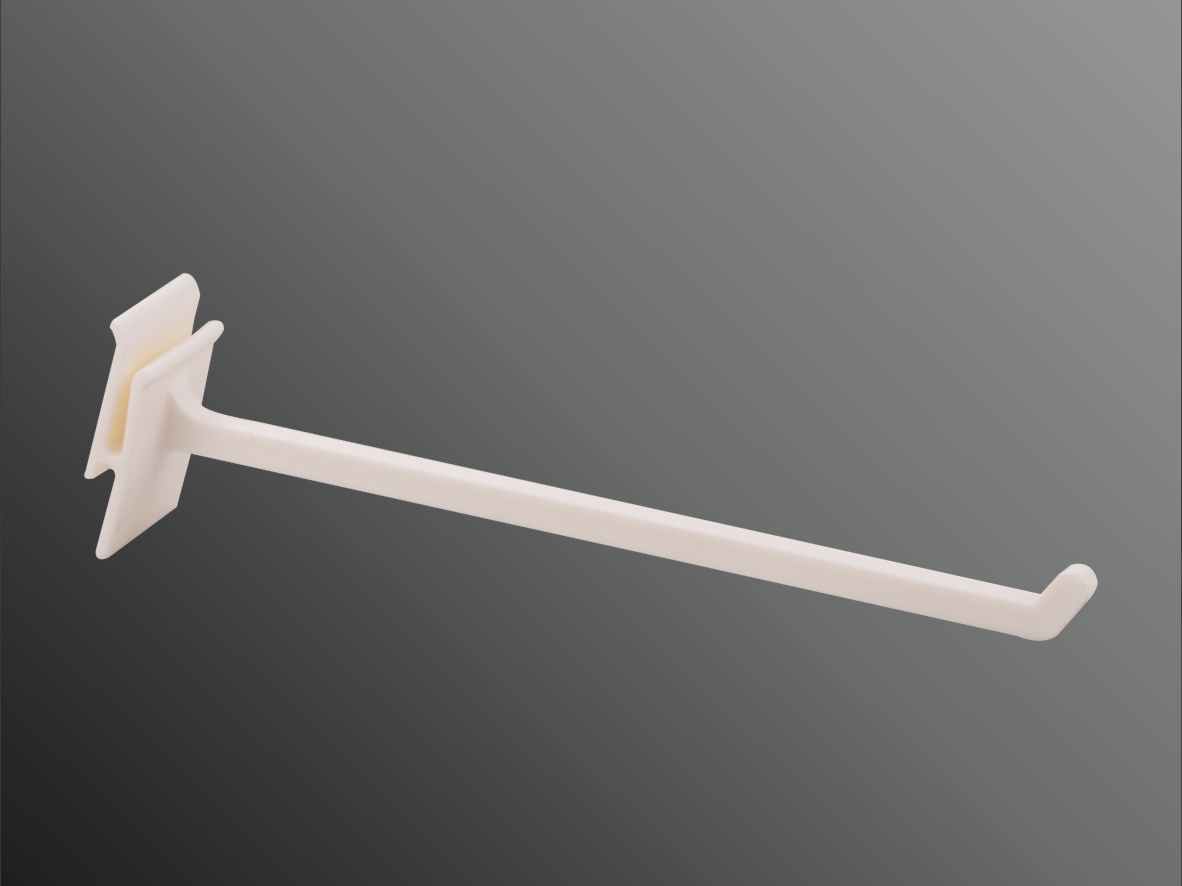
For best results, install hooks in the correct location. Hooks should always be secured to a sturdy surface, such as steel framing or masonry. For magnetic hooks, thick steel plates work best. Thin metal may not be able to support the same weight. The weight listed on the packaging indicates the tensile strength of the hook, not always its actual weight-bearing capacity on a wall. Avoid installing in tight corners or sharp bends to prevent excessive stress on the hook or cable. Proper placement helps the hook perform at its full weight capacity and ensures the safety of your exhibits.
Tip: Always use mounting hardware that matches the weight of the hook and its load.
Safety Precautions
Safety is paramount when installing hooks. Inspect all equipment before use. Ensure the load is within the hook’s rated capacity. Regular inspection and maintenance ensure the hooks function properly. Training helps people use hooks correctly. High-quality safety equipment and overload protection provide additional safety. Never stand under a load suspended from a hook. Marking equipment and cordoning off hazardous areas ensure everyone’s safety.
- Inspect hooks and hardware before each use.
- Ensure the load is within the hook’s rated capacity.
- Wear safety equipment and receive relevant training.
- Never attempt to adjust the load by hand.
- Do not approach suspended heavy objects.
Common Mistakes
People sometimes make mistakes when installing hooks. Using the wrong tools can damage fasteners or hooks. Overtightening or undertightening can lead to insufficient hook strength. People should always follow instructions and use a torque wrench when necessary. Neglecting environmental factors can lead to hooks rusting or failing. Choosing hooks with insufficient load capacity is risky. Ignoring regular inspections allows small problems to escalate into major ones. People should install hooks correctly to prevent them from loosening.
- Use the appropriate tools for each hook.
- Choose hooks that match the load and environment.
- Inspect hooks frequently for wear or damage.
Note: Careful installation and regular inspections help extend the lifespan of hooks and ensure the safety of display racks.
The strongest hanging hooks include heavy-duty adhesive hooks, screw-in hooks, magnetic hooks, and sturdy plastic display hooks. Each type of hook has its best use. People should always choose the right hook for their items and display racks. This ensures safety and maintains aesthetics. When choosing hooks, remember the following:
- Choose hooks that can withstand the weight of the item and are the appropriate shape.
- Use hooks made of rust-resistant materials in damp areas.
- Hooks from brands like IDmate are strong, durable, and easy to install.
| Feature | Why It Matters |
|---|---|
| Durability | Remains strong and can carry heavy loads |
| Easy Installation | Quick to use, no special tools required |
Tip: Always check the weight limit of the hook and use the appropriate hardware for your wall. This helps ensure your display rack is safe and looks great!
FAQ
Which type of hook is the strongest?
Heavy-duty screw-in wall hooks have the strongest weight-bearing capacity. Magnetic hooks and sturdy plastic display hooks from reputable brands like IDmate also have strong load-bearing capabilities. People choose the appropriate hook based on the items they need to hang.
Can plastic display hooks hold heavy items?
Plastic display hooks are best suited for hanging light to medium-weight items. IDmate’s hooks are made of tough plastic, so they remain secure in most retail display scenarios. For very heavy items, metal hooks are recommended.
Are adhesive hooks reusable?
Most adhesive hooks are not reusable. Once removed, the adhesive part loses its stickiness. Some brands offer replacement adhesive strips, but the hook itself may not stick as well the second time.
How do I choose the right hook for my display panel?
Tip: First, check the panel type. Pegboard, slatwall, gridwall, and corrugated panels require different hooks. IDmate offers hooks suitable for various panels. Be sure to choose a hook that matches your panel to ensure a secure installation.
Do plastic hooks rust or corrode?
Plastic hooks do not rust or corrode. They are ideal for damp areas such as kitchens or bathrooms. People like them because they remain clean and secure for a long time.


