
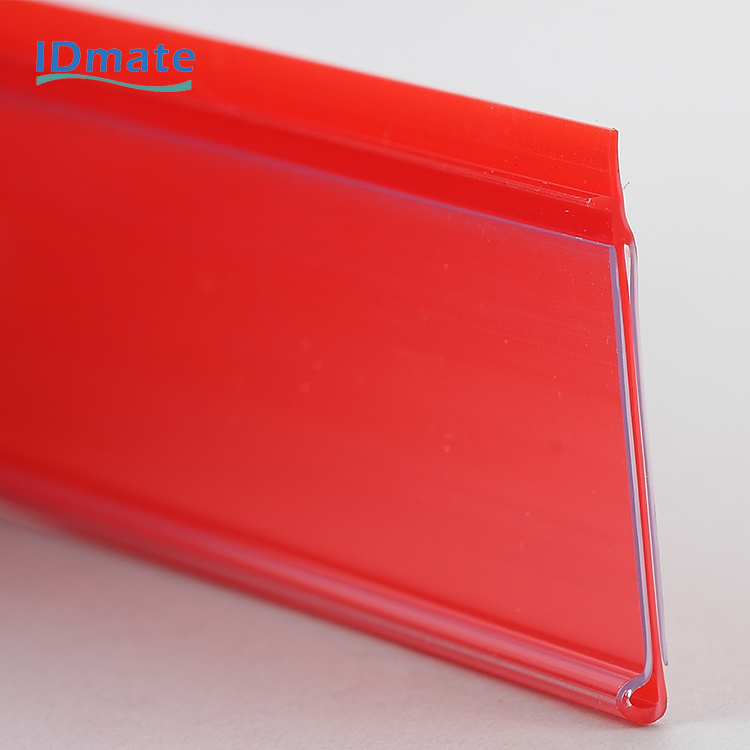
Colored shelving strips make retail shelves look neat and bright. Customers are more likely to notice brightly colored displays. When brand colors match the store’s style, they also attract more attention. Stores can customize shelving strips to meet their specific needs. Shelving strips are easy to use and facilitate daily operations for store teams.
Key Takeaways
- Colored shelf strips make merchandise on shelves easily visible. Bright colors help customers quickly find what they need.
- Choose shelf strip colors that match your brand. Using the same colors helps customers remember your store and builds trust in your brand.
- Use specially designed shelf strips during holidays and promotional events. Colored shelf strips can highlight special offers and stimulate customers’ desire to buy.
- Categorize merchandise by color for easier customer shopping. Color coding allows customers to quickly find what they need while keeping shelves tidy.
- Choose shelf strips made of sturdy and durable materials. Strong shelf strips last longer, are easy to clean, and maintain their aesthetic appeal even in busy stores.
Colored shelf strip ideas
Color themes for retail shelves
Stores use color themes to highlight shelves. They choose colors that match their brand or create a specific atmosphere. For example, green stripes can display organic foods, and blue stripes can display dairy products. This helps customers find the items they need more quickly. Stores can choose custom colors or printed strips to suit their needs. Some stores use clip-on data strips or adhesive shelf label holders. These are easy to install and use. Stores can change colors for new displays or promotions.
Tip: Using high-contrast colors on shelf strips helps customers prioritize important items.
The following table lists common methods for customizing shelf labels:
| Customization Option | Description |
|---|---|
| Clip-on Data Strips | Easily clip onto shelves, no tools required. |
| Information Tags | Protect price tags, available in various sizes. |
| Adhesive Shelf Label Holders | Apply with foam tape, suitable for high-traffic areas. |
| Hinged Plastic Sign Holders | Fold upwards for easy access to items on shelves, suitable for larger signs. |
| Freezer Labels | Suitable for low-temperature environments, can be installed on wire mesh shelves, available in white and black. |
Seasonal and promotional designs
Stores use colored shelf labels during holidays and promotions. Seasonal labels change with the season; for example, red and green are used for Christmas, and orange for autumn. Retailers print “Limited Time Offer” or “Promotion” on the labels to attract customers. These labels help showcase new products and encourage impulse purchases. Grocery stores use them to promote seasonal flavors. Clothing stores use holiday labels to enhance the shopping experience.
The table below illustrates how these bar tags can help stores:
| Benefit | Description |
|---|---|
| Enhanced Visibility | Seasonalized bar tags attract customers’ attention, drawing their attention to promotions and products, thus encouraging purchases. |
| Customer Navigation | During peak hours, these tags help customers quickly find the items they need. |
| Impulse Buying Encouragement | Fun bar tags can encourage customers to buy items they weren’t originally planning to. |
Displaying product information at the point of sale helps stores increase sales!
Stores use custom-sized shelf bar tags for display. They choose sturdy, durable materials and clear, concise text to guide customers to make quick purchasing decisions while avoiding overwhelming them.
Color-Coded Product Categorization
Color coding keeps shelves neat and organized, making it easier for customers to shop. Different colors are used for each product category. For example, green tags represent organic foods, and blue tags represent dairy products. Bright colors help customers quickly find the items they need. Grocery stores and supermarkets use this method to organize shelves and assist customers in their shopping.
- Color coding makes product categorization clearer and easier to identify.
- Different colors can distinguish different areas, making it easier for customers to quickly find the products they need.
- Bright colors help highlight certain products.
- Simple labels allow staff to quickly update prices and information.
Colored shelf strips help stores showcase branded or featured items. They are easy to update displays, keeping shelves looking fresh.
Choosing shelf strip colors
Matching store branding
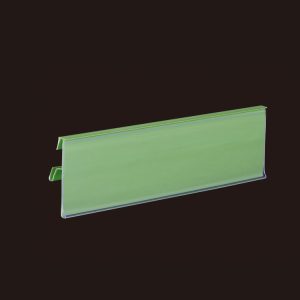
Retailers want their shelves to look neat and consistent with their brand image. They choose shelf strip colors that match the store’s style. The material and color of the shelf strips should be consistent with the brand image. Some stores use only one color to create a modern feel. Others choose wood finishes for a classic style. A strong brand image helps products stand out. Using the same color on shelf strips, packaging, and signage makes the store easier to find.
- Stores choose colors according to their branding guidelines.
- Shelf strips can match business cards and advertising.
- Branded sets help ensure color consistency throughout.
- A unified color scheme helps customers remember the store.
Tip: Shoppers tend to trust a brand more when shelf strips and signage use the same color.
Enhancing shelf visibility
Stores want customers to see discounted items and promotions. They use vibrant colors on shelf strips to attract attention. Red, yellow, and orange are ideal for promotions and new product displays. These eye-catching colors draw attention and influence shopping experiences. Red and orange can stimulate customers’ desire to buy. Yellow makes food displays look more appealing.
- Vibrant colors highlight promotions and new products.
- Red and orange create a sense of urgency.
- Yellow makes food sections look fresher.
- Brightly colored shelf strips help customers quickly find discounted items.
Stores use colored shelf strips to highlight promotions, thus encouraging impulse purchases.
Creating mood with colors
Colors do more than just decorate shelves. They also help create a store’s atmosphere. Stores choose shelf strip colors based on the atmosphere they want to create. Black shelf strips look upscale and are better suited for displaying luxury items. Green can make customers feel calm and environmentally conscious. Blue helps increase customer trust in the store. Red creates excitement and a sense of urgency, which is beneficial for sales. Orange helps people make quick choices and showcases value.
The table below shows how colors influence shoppers:
| Color | Emotion/Association | Influence on Purchasing Decisions |
|---|---|---|
| Black | Looks stylish and sophisticated | Represents luxury |
| Green | Feels calm and safe | Makes stores look eco-friendly and upscale |
| Yellow | Stimulates appetite | Commonly used in food brand promotions |
| Red | Prompts people to act quickly | Creates a sense of urgency in the sale |
| Blue | Feels calm and trusting | Helps shoppers trust the brand |
Stores use these colors to create the right atmosphere in different areas. Green shelf strips are particularly effective in the health food section. Red shelf strips make the sales area more vibrant. Blue shelf strips help enhance shoppers’ trust in pharmacies or technology products.
Note: Research shows that shoppers are often influenced by emotional factors when making purchases. Appropriate shelf strip colors can help stores increase sales.
Colored shelf strip installation tips
Placement strategies
Retailers understand that shelf placement affects how customers shop. They place colored shelf strips in high-traffic areas to showcase new or popular items. Placing shelf strips at eye level helps products get noticed by customers first. Stores plan customer walkways and place shelf strips where customers stop or turn. This helps guide customers, making the merchandise display function like a silent assistant. Some stores also use shelf strips to categorize products, allowing customers to find what they need more quickly.
- Place shelf strips at eye level to attract customer attention.
- Use shelf strips in high-traffic areas to display promotions.
- Arrange shelves according to customer movement and shopping habits.
Tip: Prop er shelf strip placement can help stores increase sales and make shopping more convenient.
Mixing and matching colors
Retailers use different colored shelf strips to categorize merchandise and display promotional information. Each color represents a category, helping customers quickly find the items they need. Bright colors attract attention and make shelves look more interesting. Stores mix different colors for holidays or special promotions to make shopping easier and more enjoyable. Customers also notice immediately when new promotions change colors.
| Color Combination | Purpose | Example Use |
|---|---|---|
| Red + Yellow | Display promotions and a sense of urgency | Clearance sales or limited-time offers |
| Green + Blue | Categorize health foods and dairy products | Health foods and dairy product shelf |
| Orange + White | Display new or seasonal items | Spring or holiday displays |
Maintenance and durability
Store owners want shelf strips to be durable and aesthetically pleasing. Plastic shelf strips, such as data strips and information strips, are ideal for busy stores. Clip-on shelf strips can be quickly attached to shelves without any tools. Adhesive shelf label holders use strong adhesive tape, so they can be firmly secured to the shelf. Plastic strips will not rust or bend, so they always remain shiny and clean. IDmate offers robust, durable materials and customization options to meet a variety of store needs. Fast shipping and easy installation allow stores to quickly change displays.
- Use durable, easy-to-clean plastic shelving strips.
- Choose clip-on or adhesive shelving strips for quick installation.
- Trust IDmate for robust, custom-made shelving strips and fast service.
Note: Sturdy shelving strips ensure price tags are secure and shelves remain tidy, even during busy times.
Real-world shelf strip examples
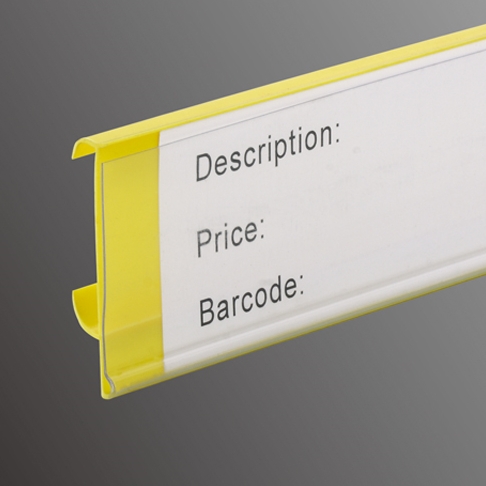
Before-and-after transformations
The effect of using colored shelving strips is remarkable. Shelves look brighter and neater. Customers notice products more quickly. For example, a grocery store had long used ordinary shelves. Later, they replaced the shelving strips in their fresh produce section with green and yellow strips. The fresh produce section looked fresher and brighter. Customers spent more time there and bought more items. Staff found it easier to keep the shelves tidy. The manager said, “Our fresh produce is now particularly eye-catching. People ask about our new look every day.”
A pharmacy is a good example. They used blue shelf strips to label health supplements and red strips to label promotional items. Previously, customers often missed discounted items. After changing the shelf strips, sales of promotional items significantly increased. The team appreciated this convenient and quick change.
Tip: Take photos before and after adding the shelf strips. This allows you to visually see the changes and demonstrate the results to the team.
Retailer success stories
Many stores have shared how shelf strips helped them boost sales. A clothing store wanted to showcase new garments. They chose orange shelf strips for display. Customers spotted the new items immediately. Sales of these garments increased by 20% within a month.
A supermarket used color-coded shelf strips to differentiate between organic, gluten-free, and regular foods. Customers could find the items they needed more quickly. The supermarket received positive feedback, and repeat customers increased.
| Store Type | Shelf Strip Use | Result |
|---|---|---|
| Grocery Store | Green/Yellow represents fresh produce | Boosted sales, refreshed appearance |
| Pharmacy | Blue/Red represents discounted items | Higher sales from promotions |
| Clothing Shop | Orange represents new arrivals | Increased item sales |
| Supermarket | Color-coded areas | Enhanced customer experience |
Retailers say that colored shelf strips help customers quickly identify brands and make choices. Store sales increase, and customer satisfaction improves.
Colored shelf strip solutions help keep stores neat and bright. They make brands easily recognizable and help products attract customers. Stores can choose customized solutions based on their own style and needs. Many store owners have seen increased sales and customer satisfaction. The table below lists the advantages of customized barcodes:
| Benefit | How It Helps Stores |
|---|---|
| Design Flexibility | Works on any shelf and matches store colors |
| Aesthetic Appeal | Makes merchandise displays more attractive to customers |
Store owners can test new colors and see how they actually work in their stores.
FAQ
How do colored shelf strips help stores?
Colored shelf strips make shelves look neat and bright, helping customers find merchandise faster. Stores use shelf strips to display promotions, organize merchandise, and match brand colors.
Can stores customize the color of their shelf strips?
Absolutely! Stores can choose custom colors or printed patterns to match the shelf strips to their brand or promotions. IDmate offers a variety of customization options.
Are shelf strips easy to install?
Most shelf strips are installed using snap-on or adhesive methods, allowing for quick and easy installation without tools. Some shelf strips use magnets or clips for easy and quick replacement.
Tip: For best results, always clean the shelves before adding new shelf strips!
How long do plastic shelf strips last?
Plastic shelf strips are durable and retain their vibrant colors for a long time. They are not easily bent or rusted. Stores can easily clean and reuse them for new displays.


